Choosing the right laptop for photo editing comes down to more than just raw speed. A great display, accurate color, enough memory, and fast storage matter just as much as the processor.
Below, we focus on the best laptops for photo editing in 2026 for different budgets and workflows, from portable everyday editing to larger-screen options for more comfortable retouching.
Best 10 Laptops for Photo Editing Picks for 2026
Portable AI-Ready Editor
MacBook Air 13-inch with M5 chip

- M5 chip and 16GB unified memory for smooth creative workflows
- 13.6-inch Liquid Retina display supports 1 billion colors
- Up to 18 hours of battery life for editing on the go
Best For: Mobile creators who need a color-rich, lightweight Mac
Workstation-Style Powerhouse
ThinkPad T14 Gen 6 Business Laptop

- 32GB RAM and 1TB SSD support heavy multitasking and storage
- 14-inch FHD+ IPS anti-glare display with wide viewing angles
- Two Thunderbolt 4 ports and HDMI for up to 3 external monitors
Best For: Windows users who need multitasking and external display flexibility
Budget-Friendly Mac Pick
MacBook Neo 13-inch with A18 Pro

- 13-inch Liquid Retina display supports 1 billion colors
- A18 Pro chip with Apple Intelligence for everyday creative tasks
- Up to 16 hours of battery life in a portable aluminum design
Best For: Budget-minded Mac shoppers doing light photo editing
Large-Screen Value Choice

- 17.3-inch FHD IPS display gives more room for editing
- 16GB RAM supports multitasking and everyday creative work
- HDMI, Type-C, Wi-Fi, and Bluetooth add flexible connectivity
Best For: Light editors who want a big screen at a value price
Premium Portable Creator Pick

- 15.3-inch Liquid Retina display supports 1 billion colors.
- M5 chip and 16GB memory suit creative multitasking.
- 1TB SSD and up to 18 hours battery life.
Best For: Editors who want a big-screen Mac for portable photo work.
High-Performance Windows Editing Pick
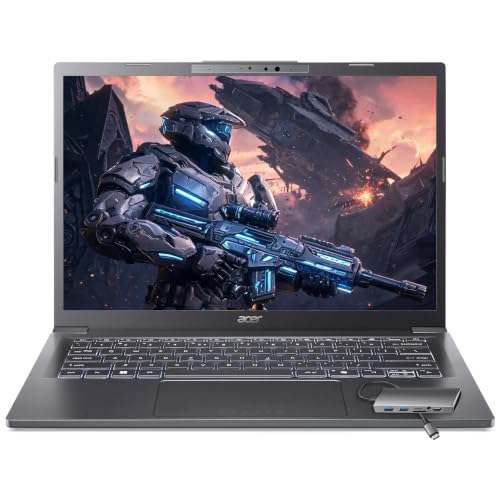
- Intel Core Ultra 7 and NPU support AI features locally.
- 32GB RAM and 2TB SSD give lots of editing headroom.
- 14-inch touchscreen adds precision for retouching.
Best For: Windows photo editors who want power, storage, and touch input.
Budget Mac Starter Pick
Apple MacBook Neo 13-inch A18 Pro
- 13-inch Liquid Retina display supports 1 billion colors.
- 2.71-pound design with up to 16 hours battery life.
- 8GB RAM and 256GB SSD suit lighter editing needs.
Best For: Students and casual editors needing a portable entry-level Mac.
Creator Pick

- Core i7-13620H with 16GB DDR5 handles multitasking well.
- 16-inch WUXGA IPS panel offers extra vertical workspace.
- 1TB SSD and SD card reader are handy for photo files.
Best For: Editors who want a roomy screen and fast general performance.
2-in-1 Choice

- Ryzen 7 8845HS and 16GB DDR5 support strong creative multitasking.
- 16-inch 1920 x 1200 touch display gives more room for editing.
- microSD reader, fingerprint reader, and backlit keyboard improve usability.
Best For: Users who want the strongest overall mix of speed, screen, and flexibility.
Portable AI-Ready Editor – MacBook Air 13-inch with M5 chip
If you’re comparing laptops for photo editing and want a light machine that still handles creative work smoothly, this MacBook Air is a strong fit. Its M5 chip, 16GB unified memory, and 512GB SSD are paired with a 13.6-inch Liquid Retina display that supports 1 billion colors, so photos should look crisp and detailed while you move through edits and multitasking.
Best For: Mobile creators who want a portable Mac for editing photos, handling AI-assisted tasks, and working on the go.
Pros:
- M5 chip and unified memory are designed for faster, smoother performance across apps.
- Liquid Retina display supports 1 billion colors for rich-looking photo and video work.
- Up to 18 hours of battery life helps during long editing sessions away from power.
- Two Thunderbolt 4 ports and support for up to two external displays add flexibility.
Cons:
- 13.6-inch screen may feel small for users who prefer more workspace while editing.
- More compact design is geared toward portability rather than maximum desktop-style expandability.
This is a practical choice if you value portability, color-rich visuals, and everyday creative speed over a larger display. For photo editing on the move, it offers a balanced mix of performance, battery life, and display quality.
Workstation-Style Powerhouse – ThinkPad T14 Gen 6 Business Laptop
For buyers looking at laptops for photo editing with a more workhorse feel, the ThinkPad T14 Gen 6 brings a strong mix of memory, storage, and display features. It combines an Intel Core Ultra 7 255U, 32GB DDR5 RAM, and a 1TB SSD with a 14-inch FHD+ IPS anti-glare display, which is a sensible setup for editing, file handling, and keeping multiple apps open.
Best For: Users who want a Windows business laptop with strong multitasking, large storage, and external display support.
Pros:
- 32GB DDR5 RAM and 1TB SSD provide plenty of room for multitasking and large photo libraries.
- 14-inch FHD+ IPS anti-glare screen offers sharp visuals and wider viewing angles.
- Two Thunderbolt 4 ports plus HDMI support up to 3 external monitors.
- 5MP webcam, fingerprint reader, and backlit keyboard add useful business-ready extras.
Cons:
- The 1920 x 1200 display is solid, but it is not described as a color-focused creator panel.
- Business-first design may feel less lifestyle-oriented than slimmer consumer models.
If you need a dependable Windows laptop that can handle organizing, editing, and moving files between multiple screens, this ThinkPad is easy to justify. It leans more toward productivity depth than flashy design, which works well for practical photo editing setups.
Budget-Friendly Mac Pick – MacBook Neo 13-inch with A18 Pro
If you want laptops for photo editing without moving into a high-end price tier, this MacBook Neo is positioned as a more affordable Apple option. It pairs the A18 Pro chip with 8GB unified memory and a 13-inch Liquid Retina display that supports 1 billion colors, which should be enough for casual editing, notes, and everyday creative work.
Best For: Budget-conscious Mac users who want a portable laptop for light photo editing and everyday tasks.
Pros:
- Liquid Retina display supports 1 billion colors for vivid-looking photos and text.
- A18 Pro chip and Apple Intelligence support everyday assignments and creative tasks.
- Up to 16 hours of battery life helps keep it usable through a full day.
- Portable aluminum design keeps the laptop easy to carry.
Cons:
- 8GB unified memory is more limited than higher-memory options for demanding editing.
- Designed as an entry-level Mac, so it is better suited to lighter workloads.
This model makes the most sense if your editing needs are moderate and you care more about portability and price than heavy-duty creative performance. It gives you a color-rich display and long battery life in a compact Mac package.
Large-Screen Value Choice – 17.3-inch Intel N95 Laptop
Among laptops for photo editing, this 17.3-inch model stands out for its bigger screen and straightforward value-focused design. It includes a 1080p FHD IPS display, 16GB RAM, and a 256GB SSD, plus Intel UHD Graphics and Windows 11, making it suitable for basic editing, file management, and general creative use where screen space matters more than premium specs.
Best For: Users who want a large display for light photo editing, everyday work, and multimedia viewing.
Pros:
- 17.3-inch FHD IPS screen gives you more room to view photos and editing tools.
- 16GB RAM helps with multitasking and handling multiple open applications.
- Includes HDMI, Type-C data, USB 3.2, Wi-Fi, and Bluetooth for flexible connectivity.
- 6000 mAh battery is designed for about 5 hours of use and easier portability.
Cons:
- Intel N95 and integrated UHD graphics are entry-level parts for heavier editing workloads.
- 256GB storage may fill quickly if you work with many large photo files.
This is a practical pick if you want a roomy display and enough memory for straightforward editing without paying for more power than you need. It is best treated as a value laptop for lighter creative work rather than a full pro-grade editing machine.
Premium Portable Creator Pick – Apple MacBook Air 15-inch M5
If you want laptops for photo editing with a large, color-rich screen and strong everyday speed, this 15-inch MacBook Air is an easy premium choice. The M5 chip, 16GB unified memory, and 1TB SSD should handle large photo libraries, multitasking, and creative workflows smoothly while keeping the system light and portable.
Best For: Photo editors who want a big display, long battery life, and a lightweight Mac for editing on the go.
Pros:
- 15.3-inch Liquid Retina display supports 1 billion colors for detailed photo viewing.
- M5 chip with unified memory is built for faster, smoother multitasking and creative work.
- 1TB SSD gives you generous room for photos, projects, and apps.
- Up to 18 hours of battery life helps you edit without hunting for an outlet.
Cons:
- Premium price tier may be more than casual editors need.
- Only two Thunderbolt 4 ports, so dongles may still be needed for some setups.
This is the strongest option here if you want a portable Mac with a bigger screen for editing and reviewing images. It blends display quality, battery life, and storage into a polished package for creators who move between locations.
High-Performance Windows Editing Pick – Acer Aspire 14" Touchscreen
For laptops for photo editing that prioritize power, storage, and flexibility, this Acer Aspire stands out. It pairs an Intel Core Ultra 7 processor, 32GB RAM, and 2TB SSD with Intel Arc 140V graphics, which is a strong mix for Lightroom-style editing, large photo files, and multitasking.
Best For: Windows users who want a fast, well-equipped editing laptop with a touchscreen.
Pros:
- Intel Core Ultra 7 258V with dedicated NPU supports local AI features and automation.
- 32GB RAM and 2TB SSD offer plenty of headroom for big projects and file storage.
- Intel Arc 140V graphics are described as helping accelerate photo editing and 1080p video work.
- 14-inch touchscreen with stylus support makes retouching and precise edits easier.
Cons:
- 14-inch screen may feel small if you prefer more workspace for editing panels.
- Integrated graphics are good for editing, but not aimed at heavy GPU workloads.
This is the most workstation-like option in the group, especially if you value RAM, storage, and Windows compatibility. It should appeal to creators who want a compact system that still feels capable for serious photo editing.
Budget Mac Starter Pick – Apple MacBook Neo 13-inch A18 Pro
If you need laptops for photo editing on a tighter budget and prefer macOS, the MacBook Neo is a compact starting point. Its Liquid Retina display with 1 billion colors is appealing for reviewing photos, and the A18 Pro chip plus Apple Intelligence support everyday creative tasks and quick edits.
Best For: Students and casual editors who want an affordable, highly portable Mac for lighter photo work.
Pros:
- 13-inch Liquid Retina display supports 1 billion colors for vivid image viewing.
- Very portable at 2.71 pounds with up to 16 hours of battery life.
- A18 Pro chip is built for everyday assignments and Apple Intelligence features.
- 1080p camera and dual-mic array make it a capable all-around laptop for school and calls.
Cons:
- 8GB unified memory is the smallest here, so heavy editing projects may feel constrained.
- 256GB SSD is limited if you store lots of large photo libraries locally.
This model makes sense if your editing needs are modest and portability matters more than raw capacity. It is the most approachable Mac in the trio, but serious photo editors will likely want more memory and storage.
Creator Pick – Lenovo 16" FHD+ i7 Workhorse
If you want laptops for photo editing with plenty of screen space and strong multitasking headroom, this Lenovo is a practical middle-ground option. The 16-inch WUXGA IPS panel gives you a 16:10 workspace, while the Core i7-13620H, 16GB DDR5 RAM, and 1TB SSD help keep editing apps, browser tabs, and large files moving smoothly.
Best For: Photo editors who want a roomy 16-inch display and fast everyday performance for editing, sorting, and file management.
Pros:
- Intel Core i7-13620H offers strong 10-core, 16-thread performance for demanding multitasking.
- 16-inch WUXGA IPS display with 16:10 ratio provides extra vertical workspace.
- 16GB DDR5 RAM and 1TB PCIe 4.0 NVMe SSD support responsive editing and large storage needs.
- Includes SD card reader, USB-C, HDMI, Wi-Fi 6, and Bluetooth 5.2 for flexible connectivity.
Cons:
- 45% NTSC color gamut is modest for color-critical editing work.
- Integrated graphics may be less ideal for heavier creative workloads.
Overall, this Lenovo makes sense if you value speed, storage, and a comfortable 16-inch layout more than top-tier color coverage. It is a solid all-around pick for photo organization and editing on a larger screen.
Budget Basic – HP Pavilion Touchscreen Everyday Laptop
For shoppers comparing laptops for photo editing on a tighter budget, this HP Pavilion is best seen as a basic file-handling and light-editing machine. It has 16GB RAM and a 1TB SSD, but the Core i3 processor and 1366 x 768 display make it better suited to casual photo work than serious editing.
Best For: Casual users who want a budget laptop for light photo edits, storage, and everyday tasks.
Pros:
- 16GB RAM helps with multitasking and keeping several apps open.
- 1TB PCIe NVMe SSD provides fast boot times and lots of storage for photos.
- Touchscreen and anti-glare coating add convenience for everyday use.
- USB-C, USB-A, and HDMI ports give you straightforward connectivity.
Cons:
- Intel Core i3-1115G4 is entry-level for editing workloads.
- HD 1366 x 768 display is a weak fit for detailed photo editing.
- 45% NTSC color coverage limits display quality for visual work.
This HP is worth considering only if your editing is light and you care more about storage and general responsiveness than display quality. For serious photo work, the screen and processor are the main trade-offs.
2-in-1 Choice – Lenovo IdeaPad Ryzen 7 Touch
If you want laptops for photo editing with a flexible design and faster creative performance, this Lenovo IdeaPad stands out. The Ryzen 7 8845HS, Radeon 780M graphics, 16GB DDR5 RAM, and 1TB SSD give it enough speed for editing workflows, while the 16-inch 1920 x 1200 touch display adds space and control.
Best For: Photo editors who want a fast 2-in-1 laptop with a roomy touch display for editing and review.
Pros:
- Ryzen 7 8845HS with 8 cores and 16 threads delivers strong multitasking performance.
- 16-inch 1920 x 1200 touch display offers sharp detail and extra vertical space.
- AMD Radeon 780M graphics help with smooth visuals in creative apps.
- Fingerprint reader, backlit keyboard, and microSD card reader add practical workflow value.
Cons:
- Integrated graphics are still not a substitute for a dedicated GPU in heavier creative work.
- At 6 pounds, it is less portable than lighter laptops in this class.
As a photo-editing option, this Lenovo is the most balanced of the three thanks to its stronger processor and better display resolution. The 2-in-1 design is a nice bonus if you like touch input for reviewing and organizing images.
How We Picked These Laptops for Photo Editing
We prioritized display quality, processing power, memory, storage, portability, and overall value for creative work. For Laptops for Photo Editing, that means looking for sharp panels, strong color reproduction, at least 16GB of RAM, and SSD storage that keeps large image libraries responsive.
We also considered how each model fits a different type of editor, including travelers, students, office users, and photographers who want a larger screen for detailed adjustments.
Quick Comparison
In general, 13-inch models are easiest to carry, 14- to 15-inch models balance portability and usability, and 16- to 17-inch laptops are better if you spend long sessions editing and want more room for toolbars and image previews.
Apple Silicon models are attractive for display quality, battery life, and smooth performance in creative apps, while high-RAM Windows systems are a strong fit for multitasking and large RAW batches. Touchscreen and 2-in-1 designs can help with quick navigation, but they are less important than panel quality and system responsiveness.
Key Buying Factors for Laptops for Photo Editing
Display Quality
Look for a bright, sharp screen with good color coverage and stable viewing angles. IPS and Liquid Retina panels are typically safer choices than basic HD screens for editing accuracy.
Memory and Storage
At least 16GB of RAM is the practical starting point for most photographers. If you work with large RAW files, batch edits, or multiple apps at once, 32GB is even better. A fast SSD with 512GB or more helps keep catalogs, previews, and project files moving quickly.
Processor and Graphics
Modern Intel Core Ultra, AMD Ryzen 7, and Apple M-series chips are all capable options. Integrated graphics are fine for most photo editing tasks, as long as the system has enough memory and a good display.
Size, Battery, and Workflow
If you edit on the go, choose a lighter laptop with solid battery life. If you work primarily at a desk, a 15- or 16-inch model can improve comfort and reduce zooming and scrolling during detailed retouching.
Who Should Buy Which Laptops for Photo Editing?
Choose a 13-inch laptop if portability is your top priority. Go with a 14- or 15-inch model if you want a practical balance of screen space and travel-friendliness. Pick a 16- or 17-inch system if you want a more comfortable editing workspace and often work on longer sessions.
If you mainly use Lightroom, Photoshop, or similar tools, prioritize display quality, RAM, and SSD speed over flashy extras. For the best results, match the laptop to your workflow rather than buying the fastest model on paper.