The right microphone preamp can make a home-studio signal cleaner, stronger, and easier to mix. It is especially useful when working with low-output dynamic or ribbon microphones, limited interface gain, or a recording chain that needs more control.
These 10 picks cover compact inline boosters, affordable tube designs, channel strips, and premium single-channel preamps. Use the guide below to match gain, connectivity, features, and budget to your recording setup.
Best 10 Microphone Preamps for Home Studios Picks for 2026
Versatile Channel Control

- Preamp with four built-in processing sections
- XLR and 1/4-inch inputs with insert loop-out
- Rack-mountable 1U design with LED metering
Best For: Vocals, podcasts, and processed home-studio recording
Affordable Tube Character
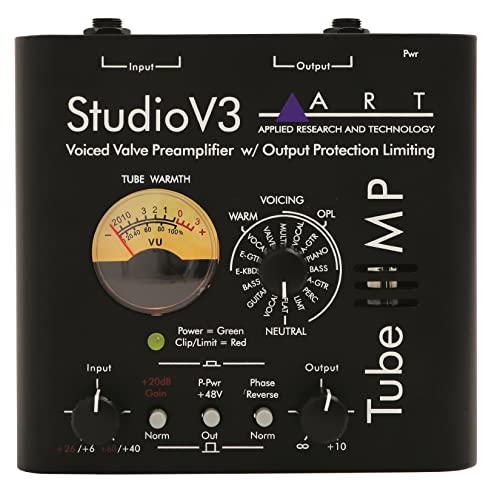
- Single-channel tube microphone and instrument preamp
- Variable valve voicing for flexible tube coloration
- Compact metal enclosure with a 2-year warranty
Best For: Musicians wanting a compact tube preamp for varied sources
Classic Transformer Detail
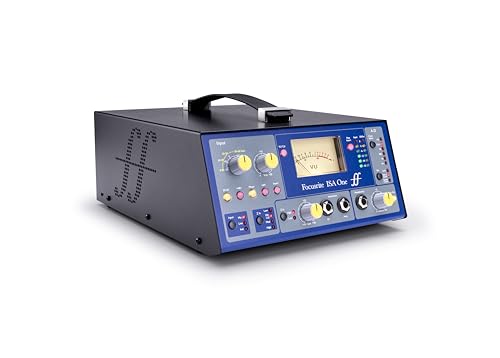
- Transformer-based preamp with four input impedances
- Independent DI channel with amp and XLR routing
- Insert, headphone output, and calibrated VU metering
Best For: Engineers and performers seeking flexible premium recording
Clean Gain for Passive Mics

- Adds up to +25 dB using phantom power
- Blocks phantom power from passive microphones
- Compact single-channel activator for studio and podcast use
Best For: Low-output passive microphones and ribbon microphones
Compact Tube Value

- Hybrid single-channel design
- Stackable aluminum chassis
- Two-year warranty
Best For: Space-conscious home studios seeking an affordable microphone preamp
Dynamic Mic Gain Booster

- Adds 29 dB of gain
- For dynamic and ribbon microphones
- Requires 48V phantom power
Best For: Users needing extra gain from low-output dynamic or ribbon mics
Flexible 48V Booster

- 20 dB balanced gain
- Works with dynamic and condenser mics
- Compact black metal case
Best For: Compact home-studio and streaming setups using varied microphones
Flexible Low-Noise Powerhouse

- 0–72 dB adjustable gain
- −120 dBV EIN claimed
- Mic, instrument, 48V, and USB-C support
Best For: Versatile home studios and mobile streaming setups
Simple Dynamic-Mic Booster

- Adds 25 dB of clean gain
- Balanced XLR input and output
- Compact metal chassis
Best For: Dynamic and passive ribbon microphones
Practical Updated Interface Preamp

- 19–66 dB practical gain range
- −120 dBV EIN claimed
- XLR/TRS/TS outputs and Type-C power
Best For: Budget home studios using a TRS line input
Versatile Channel Control – dbx 286s
For home studios that need more than basic gain, the dbx 286s combines a microphone preamp with four independent processing sections. It is a practical choice for shaping vocals, instruments, podcasts, and other sources before they reach your recording interface or mixer.
Best For: Home-studio vocals, spoken-word recording, and users who want compression, de-essing, enhancement, and gating in one rack unit.
Pros:
- Combines microphone preamp, compressor, de-esser, enhancer, and expander/gate.
- Accepts XLR microphone input plus a 1/4-inch TRS line input for instruments or prerecorded tracks.
- Includes an insert and loop-out for adding external processors.
- Rack-mountable 1U design with status LEDs for monitoring levels and processor activity.
Cons:
- Single-channel design limits simultaneous microphone processing.
- Its many processing controls may be more than beginners need.
The 286s is a strong all-in-one option when your microphone preamp needs to handle both gain and tone shaping. Choose it over a simpler preamp if front-end processing and rack integration are priorities.
Affordable Tube Character – ART Tube MP Studio V3
The ART Tube MP Studio V3 is a compact, single-channel tube preamp for home studios seeking a straightforward way to amplify microphones or instruments. Its variable valve voicing makes it a flexible entry point for adding tube-based preamp coloration to vocals, guitars, keyboards, bass, or drums.
Best For: Home-studio musicians who want a compact tube microphone preamp for vocals and a range of instruments.
Pros:
- Uses a tube amplifier design with variable valve voicing.
- Supports microphones and instruments including electric and acoustic guitars, keyboards, bass, drums, and vocals.
- Compact metal enclosure suits smaller studio setups.
- Includes a 2-year warranty.
Cons:
- Single-channel operation is not suited to multi-microphone tracking.
- The supplied notes provide limited connectivity and control details.
For beginners and musicians building a simple recording chain, the Tube MP Studio V3 offers tube-based processing in a small footprint. It is best suited to users who value flexibility across sources without needing a full channel strip.
Classic Transformer Detail – Focusrite ISA One
The Focusrite ISA One is a premium single-channel microphone preamp for home studios that want transformer-based design, flexible impedance choices, and dedicated instrument connectivity. Its independent DI, insert point, headphone output, and metering make it suitable for both recording engineers and performers.
Best For: Detailed vocal, instrument, and DI recording where flexible routing, transformer tone, and monitoring features matter.
Pros:
- Transformer-based ISA preamp uses a Lundahl LL1538 input transformer.
- Offers four switchable input impedances to suit different microphones.
- Independent DI channel includes gain control, amp routing, and rear XLR output.
- Provides an insert point, headphone output, variable-calibration VU meter, and peak meters.
Cons:
- Single-channel operation may not meet multi-mic tracking needs.
- Optional 192kHz A-D conversion requires an additional digital card.
- At 12.8 pounds, it is less convenient to move than compact desktop preamps.
The ISA One is a feature-rich choice for serious home-studio recording, particularly when microphone matching and DI flexibility are important. Its optional converter path also leaves room for a future digital upgrade.
Clean Gain for Passive Mics – Cloudlifter CL-1
The Cloudlifter CL-1 is a microphone activator rather than a complete standalone preamp, designed to sit before a compatible microphone input. For home studios using quiet passive microphones or passive ribbon microphones, it adds up to 25 dB of gain from phantom power while keeping phantom power from reaching the microphone itself.
Best For: Passive ribbon microphones, low-output vocals, podcasts, streaming, and voiceover setups that need additional clean gain.
Pros:
- Adds up to +25 dB of microphone gain using standard +48V phantom power.
- Does not pass phantom power through to passive microphones or ribbons.
- Designed to work with tube, battery, or power-supply-driven microphones as well as passive models.
- Compact USA-made enclosure suits studio, broadcast, podcast, and live applications.
Cons:
- Requires a separate preamp or microphone input with phantom power.
- Single-channel design does not expand multiple microphone inputs.
- It boosts signal but does not provide the full processing features of a channel strip.
The CL-1 is a focused solution for improving gain staging with low-output microphones. Add it to an existing home-studio preamp when you need more clean signal, especially with passive ribbons, rather than replacing your main interface or preamp.
Compact Tube Value – ART Tube MP Project Series
For home studios seeking microphone preamps for home studios with a compact footprint, the ART Tube MP Project Series combines a hybrid design with a single XLR channel. Its aluminum chassis is stackable, and the included two-year warranty adds practical peace of mind.
Best For: Home-studio users who want a compact, cost-effective preamp for microphones and computer-based recording.
Pros:
- Hybrid design with professional-quality positioning
- Compact, reliable aluminum chassis
- Stackable construction saves setup space
- Two-year warranty
Cons:
- Only one channel
- XLR connectivity may require suitable interface or computer equipment
This is a straightforward choice when space, durability, and price matter more than multiple channels or extensive connectivity. Its single-channel format suits focused vocal or instrument recording.
Dynamic Mic Gain Booster – StudioMan DPM1
The StudioMan DPM1 is a specialized option among microphone preamps for home studios, adding 29 dB of stated gain for low-output dynamic and ribbon microphones. Its plug-and-play XLR format fits between a microphone and an interface or mixer, but it requires 48V phantom power and is not intended for condenser microphones.
Best For: Podcasters, streamers, and vocalists using dynamic or ribbon microphones with an interface or mixer that supplies 48V phantom power.
Pros:
- Provides 29 dB of stated gain
- Designed for low-output dynamic and ribbon microphones
- Compact metal housing helps shield against interference
- One-year warranty and technical support
Cons:
- Not for condenser microphones
- Requires 48V phantom power, which is not included
- Specialized for microphones rather than a general multi-channel preamp setup
The DPM1 makes the most sense when a dynamic or ribbon microphone needs additional clean gain without replacing the existing interface. Confirm phantom-power availability and microphone compatibility before buying.
Flexible 48V Booster – Compact Mic Preamplifier
This compact microphone preamplifier is a flexible pick among microphone preamps for home studios, offering stated 20 dB gain and XLR output for dynamic and condenser microphones. Its balanced circuit is designed for low noise, while the included 48V power and metal case support a range of recording, podcasting, and streaming setups.
Best For: Home-studio, podcasting, and livestreaming users who need a lightweight booster for either dynamic or condenser microphones.
Pros:
- 20 dB balanced amplification
- Supports dynamic and condenser microphones
- Includes 48V power
- Compact metal housing helps reduce electromagnetic interference
Cons:
- Product details do not specify multiple channels
- Limited published specifications beyond its basic gain and power features
Its broad microphone compatibility gives it an advantage over boosters designed only for dynamic microphones. The small, lightweight enclosure is especially practical for compact desks and portable recording setups.
Flexible Low-Noise Powerhouse – RO-04 Mic Preamp
For home studios needing substantial clean gain, the RO-04 is a versatile choice among microphone preamps for home studios. Its 0–72 dB gain range, ultra-low-noise design, and separate microphone and instrument inputs suit everything from dynamic vocal mics to guitar and bass.
Best For: Home recordists, streamers, and musicians who need flexible gain, phantom power, and mobile-friendly connectivity.
Pros:
- Provides adjustable gain from 0 to 72 dB for low-output microphones and quieter sources.
- Offers a claimed −120 dBV EIN for a low-noise recording chain.
- Includes dedicated mic and 1 MΩ instrument inputs, plus 48V phantom power.
- Supports USB-C and power-bank operation, with outputs for professional and consumer/mobile setups.
Cons:
- The unit weighs 2.42 pounds, making it less convenient than smaller signal boosters for highly portable setups.
- Its many connection and output options may require more setup than a basic inline preamp.
The RO-04 stands out when you want one preamp to cover microphones, instruments, desktop recording, and streaming. It is especially appealing for users who prioritize gain flexibility and portable power.
Simple Dynamic-Mic Booster – StudioMan CL-100 XLR Preamp
The StudioMan CL-100 is a straightforward option for home studios that need more level from a dynamic or passive ribbon microphone. With 25 dB of gain, balanced XLR connections, and a compact metal housing, it fits neatly into podcasting, streaming, and recording chains.
Best For: Users with dynamic or passive ribbon microphones who want a compact XLR signal booster.
Pros:
- Adds 25 dB of gain to help elevate low-level dynamic microphone signals.
- Uses standard balanced XLR input and output connections for interfaces and mixers.
- Compact metal chassis provides a desk-friendly footprint and EMI/RFI shielding.
- Supports 48V phantom power and includes a one-year warranty with technical support.
Cons:
- It is designed specifically for dynamic and passive ribbon microphones rather than offering broad instrument-preamp functionality.
- The fixed 25 dB gain is less adjustable than the gain controls on more full-featured preamps.
Choose the CL-100 when simplicity matters more than extensive controls. It delivers a focused, plug-and-play approach for boosting compatible microphones in a home recording or broadcast setup.
Practical Updated Interface Preamp – RO03 Mic Preamp
The updated RO03 offers a practical balance of gain and low-noise performance for home studios. Its 19–66 dB gain range, −120 dBV EIN claim, Type-C power input, and XLR/TRS/TS connectivity make it a flexible link between microphones, instruments, and an audio interface.
Best For: Budget-conscious home recordists who can connect to an interface’s TRS line input and need microphone or instrument gain.
Pros:
- Provides a usable 19–66 dB gain range designed around real-world operation.
- Features a claimed −120 dBV EIN and updated power design for reduced noise concerns.
- Uses a 1 MΩ instrument input to improve compatibility with guitars and other instruments.
- Offers XLR, TRS, and TS connections, plus Type-C power and selectable output levels.
Cons:
- The microphone and instrument inputs cannot be used simultaneously.
- The supplied notes recommend a TRS line input for the lowest noise, which may limit connection choices on some interfaces.
- It requires careful cabling and setup to achieve the stated low-noise performance.
The RO03 is a strong fit for users who want broad connection options without jumping to a larger studio preamp. Its main advantage is practical versatility, provided your interface has a suitable TRS line input and you only need one input source at a time.
How We Picked the Best Microphone Preamps for Home Studios
We evaluated these Microphone Preamps for Home Studios by looking at practical recording needs: available clean gain, noise performance, input and output connections, phantom-power behavior, controls, build quality, and overall flexibility. We also considered whether each model is best used as an inline booster, a standalone preamp, or a broader channel-processing tool.
Because home setups vary widely, the list includes options for beginners, vocalists, podcasters, owners of gain-hungry dynamic microphones, and more advanced users who want a dedicated front end with features such as direct instrument input, high-pass filtering, phase control, compression, or de-essing.
Quick Comparison
| Type | Best For | What to Look For |
|---|---|---|
| Inline gain booster | Low-output dynamic and ribbon microphones | Clean gain, phantom-power pass-through, short XLR path |
| Tube preamp | Affordable tonal shaping | Gain range, tube character, output control |
| Channel strip | Vocal and spoken-word recording | Compression, de-essing, gate, enhancer controls |
| Dedicated studio preamp | Detailed tracking and flexible sources | Noise floor, headroom, DI input, filtering, phase |
Key Buying Factors for Microphone Preamps for Home Studios
Gain and Noise
Choose enough gain to reach a healthy recording level without forcing your interface preamp near its maximum. Inline boosters commonly add a fixed amount, while full preamps offer adjustable gain. More gain is not automatically better: a quiet circuit and sufficient headroom matter just as much.
Phantom Power Compatibility
Condenser microphones need 48V phantom power, while passive ribbon microphones require extra care. An inline activator typically relies on phantom power from the interface or mixer, so confirm that the unit passes power appropriately and follow the microphone maker’s instructions.
Features and Connections
A simple XLR-to-XLR booster is ideal when your interface already handles conversion and monitoring. A standalone preamp may add output control, instrument input, high-pass filtering, phase reversal, or multiple outputs. Channel strips can reduce plugin work during tracking but require more setup and judgment.
Form Factor and Budget
Compact units suit small desks and portable rigs, while larger preamps are easier to control during vocal sessions. Set aside budget for suitable XLR cables and, if needed, a stable power source or rack solution.
Who Should Buy Which Microphone Preamps for Home Studios?
For Low-Output Dynamic Microphones
Choose an inline model such as the Cloudlifter CL-1 or a compact StudioMan unit when you mainly need additional clean gain before an existing interface preamp.
For Beginners and Budget-Conscious Recordists
The ART Tube MP Project Series and ART Tube MP Studio V3 are sensible starting points for users who want adjustable gain and optional tube coloration without moving to a premium rack unit.
For Vocalists and Streamers
The dbx DBX286SV is the most feature-focused choice here, combining preamp gain with dynamics and vocal-processing controls that can be useful for spoken-word or tracking workflows.
For Detailed Studio Tracking
The Focusrite ISA One is suited to musicians who want a more refined dedicated preamp with DI functionality. Feature-rich RO models may appeal to users who need broad gain control, filtering, phase options, and compatibility with varied microphones.
Before buying, verify connector requirements, phantom-power needs, gain range, and whether the unit is intended to replace or supplement your audio interface’s built-in preamp.