The best multitrack recorder for podcasts makes it easier to capture separate voices, monitor guests, and produce cleaner episodes without building a complicated studio.
We compared these 10 models across input flexibility, headphone monitoring, portability, recording quality, and podcast-focused features to help you choose the right setup.
Best 10 Multitrack Recorders for Podcasts Picks for 2026
Best All-in-One Podcast Hub

- Four XLR inputs with phantom power
- Four headphone outputs with separate volume controls
- Automatic mix-minus for phone and remote interviews
Best For: Small podcast teams recording multiple speakers and remote guests
Best for Flexible 32-Bit Recording

- Four-track recorder with stereo microphones
- Two XLR/TRS inputs for external gear
- 32-bit float recording and USB-C connectivity
Best For: Creators moving between podcasts, interviews, music, and video audio
Best for Camera-Based Production
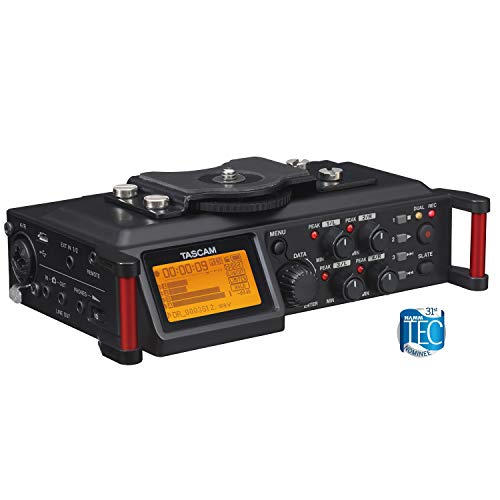
- Four balanced XLR inputs with phantom power
- Individual gain controls and 64 dB of gain
- Dual Recording mode provides a lower-level safety copy
Best For: Videographers and production teams recording multiple sources
Best for AI-Assisted Podcasting

- Four XLR inputs with up to +70 dB of gain
- AI noise reduction and tone-enhancement tools
- Four headphone outputs with separate volume controls
Best For: Podcast teams wanting assisted processing and direct phone-video audio
Best Compact XLR Recorder

- 32-bit/96kHz recording
- Two locking XLR/TRS inputs
- Waveform display and SDXC support
Best For: Portable two-source podcast recording
Best Podcast-Focused Multitrack Recorder

- Four XLR inputs and headphone outputs
- Separate-track recording with sound pads
- Includes microphones and podcast accessories
Best For: Multi-person podcasts and phone interviews
Best High-Track Standalone Recorder
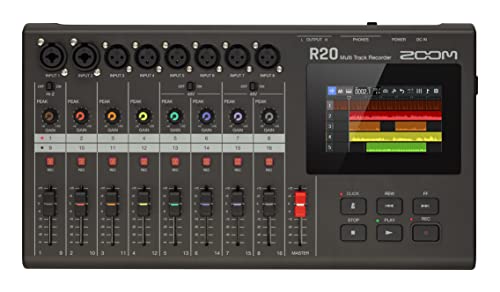
- Up to 16 tracks and eight simultaneous tracks
- Six XLR inputs plus combo inputs
- Touchscreen editing without a computer
Best For: Large-format podcasts and standalone production
Best Podcast Bundle
Zoom PodTrak P4 with Four ZDM-1 Mics

- Four XLR inputs with +48V phantom power
- Four headphone outputs and sound pads
- Includes four ZDM-1 podcast microphones
Best For: Four-person podcasts with XLR microphones
Best for Layered Recording

- Four-track record, layer, and bounce workflow
- 32-bit float recording for clip-free capture
- XLR/TRS inputs, effects, rhythms, and USB interface
Best For: Layered podcasts and music-oriented creators
Best Simple USB Setup
Zoom PodTrak P2 Podcast Recorder

- Two USB mic inputs and two headphone outputs
- Mix-Minus supports echo-free remote call-ins
- AI noise reduction and built-in voice processing
Best For: Two-person USB-mic podcasts and mobile recording
Best All-in-One Podcast Hub – Zoom PodTrak P4
The Zoom PodTrak P4 is a practical choice among multitrack recorders for podcasts when you need to connect several speakers and manage remote guests. It provides four XLR microphone inputs, four individually controlled headphone outputs, multitrack recording, and phone or USB connectivity in a battery-powered design.
Best For: Podcasters recording up to four microphone sources with in-person or remote-call guests.
Pros:
- Four XLR inputs with phantom power support.
- Four headphone outputs with individual volume controls.
- Automatic mix-minus supports phone and remote interviews.
- Records inputs and Sound Pads as separate tracks.
Cons:
- Battery life is rated at up to 3.5 hours on two AA batteries.
- Its feature set is focused on podcasting rather than broader field-recording applications.
The P4 is especially appealing for small podcast teams that want dedicated monitoring and remote-interview tools without assembling a separate mixer and interface. Its compact, battery-powered format also suits mobile recording.
Best for Flexible 32-Bit Recording – Zoom H4 Essential
The Zoom H4 Essential adds flexible recording options to the multitrack recorders for podcasts category. Its built-in stereo microphones can handle quick setups, while two XLR/TRS inputs accept external microphones, instruments, mixers, or soundboards. USB-C connectivity also supports recording or streaming to a compatible device.
Best For: Podcasters and creators who need a portable recorder for dialogue, interviews, music, and video audio.
Pros:
- Four-track recording with built-in stereo microphones.
- Two XLR/TRS inputs accommodate microphones or instruments.
- 32-bit float recording helps capture audio without distorted takes.
- Can record to a device over USB-C while saving a backup to an SD card.
Cons:
- It offers two external XLR/TRS inputs rather than four.
- Two AA batteries are required for battery operation.
The H4 Essential is a strong fit when your podcast setup changes from project to project. It combines built-in microphones, external inputs, USB-C connectivity, and 32-bit float recording in a handheld design.
Best for Camera-Based Production – TASCAM DR-70D
The TASCAM DR-70D is designed for production setups that need multitrack recording for podcasts, video, or documentary work. It provides four balanced XLR inputs with phantom power, individual gain controls, built-in microphones, and a compact body that can mount above or below a camera.
Best For: Videographers and production teams capturing multiple microphones alongside camera footage.
Pros:
- Four balanced XLR inputs with phantom power.
- Individual gain controls and up to 64 dB of preamp gain.
- Dual Recording mode creates a lower-level safety copy.
- Supports SD, SDHC, and SDXC cards up to 128GB.
Cons:
- It requires four AA batteries for portable operation.
- The design is more production-oriented than podcast-specific.
- It weighs about 1.2 pounds.
The DR-70D makes sense when a podcast is part of a larger video or field-production workflow. Its safety recording mode and four-input layout can help protect takes when levels are difficult to predict.
Best for AI-Assisted Podcasting – Zoom PodTrak P4next
The Zoom PodTrak P4next brings AI-assisted processing to multitrack recorders for podcasts. Four XLR inputs support up to four people, while AI noise reduction, Tone Enhancement, and COMP are designed to help produce balanced audio with less manual mixing. Four headphone outputs keep every participant monitored during recording.
Best For: Podcast teams seeking four-microphone recording with built-in processing and straightforward phone-video integration.
Pros:
- Four XLR inputs provide up to +70 dB of gain.
- AI noise reduction, Tone Enhancement, and COMP assist with audio processing.
- Four headphone outputs have separate volume controls.
- Can connect to a phone for audio captured directly into video.
Cons:
- Battery requirements are not specified in the supplied details.
- The listed digital recording time is 510 minutes.
The P4next is a compelling option for teams that want a modern podcast recorder with more processing assistance built in. Its combination of four inputs, monitoring for each participant, and phone-video connectivity keeps the recording workflow focused.
Best Compact XLR Recorder – Zoom H1 XLR
The Zoom H1 XLR is a straightforward choice for podcasters who want a compact recorder with professional connections. Its two locking XLR/TRS inputs, 32-bit/96kHz recording, and waveform display make it a practical option for interviews, solo sessions, and simple two-source setups.
Best For: Portable podcast recording with two microphones or other XLR/TRS sources.
Pros:
- Records in 32-bit/96kHz for detailed, clip-resistant audio.
- Two XLR/TRS combo inputs support microphones and instruments.
- Waveform display helps monitor levels at a glance.
- Supports SDXC cards up to 1TB and offers a 3.5mm input and headphone output.
Cons:
- Only two XLR/TRS inputs, so it is not designed for larger panel podcasts.
- Requires two AA batteries.
Choose the H1 XLR if portability and clean, flexible two-channel recording matter more than extensive podcast-specific controls. It is a capable fit for smaller productions and mobile recording kits.
Best Podcast-Focused Multitrack Recorder – Zoom PodTrak P4 Bundle
The Zoom PodTrak P4 is purpose-built for podcasts and provides four XLR microphone inputs, separate headphone outputs, and individual volume controls. This bundle adds microphones, headphones, pop filters, storage, and rechargeable batteries, making it a convenient starting point for a multi-person show.
Best For: Group podcasts, remote call-ins, and creators who want an all-in-one recording bundle.
Pros:
- Four XLR inputs and four individually controlled headphone outputs.
- Records input sources on separate tracks in 16-bit/44.1kHz WAV format.
- Mix-Minus and TRRS connectivity support phone interviews without feedback.
- Includes microphones, headphones, pop filters, a 64GB card, and rechargeable batteries.
Cons:
- Records at 16-bit/44.1kHz rather than the higher resolution offered by some recorders.
- Battery runtime is listed at up to three hours with two AA batteries.
- The supplied bundle is extensive, which may be more than a solo podcaster needs.
For conversational shows with several participants, the P4’s input, monitoring, and call-audio features are more relevant than a general-purpose field recorder’s extras. The included accessories also reduce the number of separate purchases needed to get started.
Best High-Track Standalone Recorder – Zoom R20 Tabletop Recorder
The Zoom R20 is a tabletop multitrack recorder for podcasters who need substantial track capacity or want to work without a computer. Its touchscreen workflow supports recording, editing, and mixing on the device, while six XLR inputs and up to 16 tracks provide room for complex productions.
Best For: Large-format podcasts, hybrid music projects, and creators who prefer standalone editing.
Pros:
- Supports up to 16 tracks with up to eight recorded simultaneously.
- Six XLR inputs plus two XLR/TRS combo inputs accommodate multiple sources.
- Touchscreen controls enable recording, editing, and mixing without a computer.
- Built-in EQ, compression, rhythms, and synth sounds expand production options.
Cons:
- Its tabletop design and 4.3-pound weight are less portable than compact recorders.
- The maximum sample rate listed is 44.1kHz.
- Its extensive music-production features may be unnecessary for a basic spoken-word setup.
The R20 makes the most sense when a podcast involves many microphones, layered segments, or hands-on editing away from a DAW. For simpler shows, its larger footprint and extra production tools may be more than necessary.
Best Podcast Bundle – Zoom PodTrak P4 with Four ZDM-1 Mics
Zoom PodTrak P4 Portable Multitrack Podcast Recorder Bundle with 4X Zoom ZDM-1 Podcast Pack
Check Price On AmazonFor creators comparing multitrack recorders for podcasts, the Zoom PodTrak P4 bundle is built around four-person recording. It combines four high-gain XLR inputs with phantom power, four headphone outputs, sound pads, and four included ZDM-1 podcast microphones.
Best For: Four-person podcasts and interview setups that need microphones and independent headphone monitoring in one bundle.
Pros:
- Four XLR microphone inputs with +48V phantom power
- Four independent headphone outputs
- Includes four Zoom ZDM-1 cardioid podcast microphones
- Supports simultaneous TRRS and USB call-ins
Cons:
- Uses two AA batteries and provides about four hours of digital recording time
- Designed around XLR microphones rather than the USB-mic workflow of the P2
The P4 bundle is a practical all-in-one choice when your podcast has up to four local speakers and you want the core microphones, inputs, and monitoring accessories included.
Best for Layered Recording – Zoom R4 Multitrack Recorder
The Zoom R4 is a flexible option among multitrack recorders for podcasts, especially if you also record music or layered voice projects. It offers four-track recording, two XLR/TRS combo inputs, 32-bit float recording, built-in stereo microphones, effects, and USB audio-interface operation.
Best For: Solo creators who want to layer narration, instruments, or remote-recorded material and work beyond a standard interview setup.
Pros:
- Records, layers, and bounces up to four tracks
- 32-bit float recording helps avoid clipping without manual gain adjustments
- Two XLR/TRS combo inputs accommodate microphones and instruments
- Includes over 80 built-in rhythm patterns and can run on four AA batteries or USB-C
Cons:
- Provides two inputs and two outputs, so it is less suited to larger multi-person podcasts
- Its music-focused rhythms and layering tools may be more than a straightforward interview podcaster needs
The R4 stands out when podcast production overlaps with music, sound design, or repeated overdubs. Its compact recorder/interface design also supports mobile recording and computer or smartphone workflows.
Best Simple USB Setup – Zoom PodTrak P2 Podcast Recorder
For a simple two-person workflow, the Zoom PodTrak P2 is one of the more straightforward multitrack recorders for podcasts. It accepts two USB microphones, provides two headphone outputs, adds AI noise reduction and voice effects, and can record individual tracks while streaming.
Best For: Two-person podcasts using USB microphones, particularly mobile interviews or shows with remote call-in guests.
Pros:
- Two USB microphone inputs with a simple setup
- Mix-Minus helps eliminate echo and feedback for call-in guests
- AI noise reduction, tone shaping, compression, and de-essing are built in
- Records to an SD card while streaming to a smartphone or computer
Cons:
- Limited to two USB microphone inputs and two headphone outputs
- Its battery life is listed at up to four hours on four AA batteries
- USB-microphone design is less suitable for users building an XLR microphone rig
The P2 is a strong fit for creators who value minimal setup and built-in voice processing. Battery, USB bus, and AC power support give it flexibility for recording away from a desk.
How We Picked the Best Multitrack Recorders for Podcasts
We focused on the features that matter most during real podcast sessions: the number and type of inputs, independent track recording, headphone outputs, remote-interview support, portability, and ease of transferring files. We also considered whether each recorder can work as a USB audio interface, since that adds flexibility for livestreaming, video calls, and computer-based production.
The lineup includes dedicated podcast recorders, handheld field units, and tabletop multitrack machines. That range matters because a two-person interview setup has very different requirements from a six-input production or a portable documentary kit.
Quick Comparison
- Best for four-person podcasts: Choose a PodTrak P4-series model with four microphone inputs and four headphone outputs.
- Best for remote interviews: Look for phone or USB connectivity, mix-minus support, and simple guest monitoring.
- Best for filmmaking and field work: The H4 Essential, H1 XLR, and DR-70D emphasize portable recording and camera-friendly workflows.
- Best for music and larger productions: The Zoom R20 offers more tracks and inputs than most podcast-focused recorders.
- Best for compact two-person setups: A two-input model such as the H1 XLR or PodTrak P2 can reduce cost and equipment size.
Key Buying Factors for Multitrack Recorders for Podcasts
Input Count and Connector Type
Count every source you plan to record at once, including hosts, guests, phone calls, instruments, and room microphones. XLR inputs are the standard choice for dynamic podcast microphones, while combo XLR/TRS inputs provide added flexibility for line-level equipment and instruments. USB microphone support can be convenient, but it may limit which microphones and routing options you can use together.
Separate Tracks and Monitoring
Multitrack recording keeps each speaker on an independent track, making it easier to fix volume differences, remove interruptions, and apply processing later. For in-person shows, give each participant a dedicated headphone output whenever possible. Check whether the recorder offers independent level control and whether monitoring introduces noticeable latency.
Remote Audio and Noise Control
Phone input, USB connectivity, mix-minus, sound pads, and built-in noise reduction can simplify remote interviews. AI noise reduction may help with inconsistent environments, but it should complement—not replace—good microphone technique and a quiet recording space.
Portability, Power, and File Workflow
For mobile recording, consider battery life, size, mounting options, onboard microphones, and protection from handling noise. Also check recording formats, memory-card requirements, 32-bit float support, and how easily files can be copied to a computer or edited in your preferred software.
Who Should Buy Which Multitrack Recorders for Podcasts?
Choose a dedicated PodTrak model if podcasting is your main use and you want straightforward controls, multiple headphone outputs, or remote-guest features. Select a handheld recorder if you also record interviews, events, instruments, or video production away from a desk. A tabletop multitrack unit is better for creators who need more inputs, more tracks, and room to expand beyond a typical conversation.
Before buying, match the recorder to your largest planned session rather than your current one. Extra inputs and headphone outputs cost more, but they can prevent an expensive upgrade when you add a cohost, in-person guest, or remote contributor.