The Shure SM7B is a capable broadcast microphone, but its low output often demands more gain than a standard audio interface can provide cleanly. The right preamp can raise the signal without adding distracting hiss or forcing you to run your interface at its limit.
This roundup compares 10 microphone preamps for SM7B setups, including compact inline gain boosters, feature-rich channel strips, and flexible models with mixing or phantom-power support. Use the buying guide below to match gain, connectivity, noise performance, and workflow to your recording space.
Best 10 Microphone Preamp for Sm7b Picks for 2026
Versatile Channel Strip

- Preamp with compression and vocal processing
- Includes de-esser, enhancer, and expander/gate
- Rack-mountable with XLR, TRS, insert, and metering
Best For: Creators wanting complete vocal processing alongside preamp gain
Proven Inline Booster
Cloudlifter CL-1 Mic Activator

- Adds up to +25 dB of gain to passive microphones
- Uses phantom power without passing it to the mic
- Compact XLR solution for podcasts and recording
Best For: Users needing clean gain for a passive dynamic microphone
Compact Class-A Boost
Triton Audio FetHead Inline Preamp

- Low-noise Class-A JFET amplifier
- Shielded enclosure for a compact XLR setup
- Designed as an inline microphone preamp
Best For: Space-conscious users seeking a low-noise inline booster
Budget Gain Upgrade

- Provides a stated +29 dB signal boost
- Made for dynamic and ribbon microphones
- Requires 48V phantom power and has a metal XLR design
Best For: SM7B users seeking an affordable inline gain boost
Clean Gain Booster
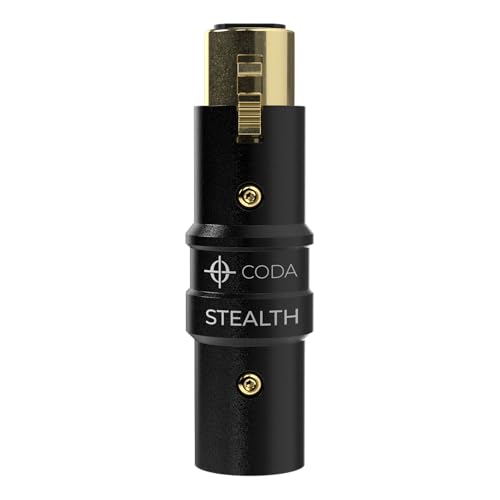
- 28 dB inline gain
- Low-noise design
- For dynamic and ribbon mics
Best For: Simple SM7B-style setups needing a fixed gain boost
Class-A Inline Pick

- Up to 29 dB gain
- FET Class-A circuitry
- Metal XLR inline housing
Best For: Dynamic-mic users wanting a compact studio or live boost
Flexible Mixer Preamp
3-Channel 10–60 dB Mic Booster

- 10–60 dB adjustable gain
- Three-channel mixing
- XLR, 6.35 mm, and 3.5 mm connections
Best For: Podcasts and broadcasts using multiple microphones or inputs
Best Inline Gain Booster

- Adds up to 28 dB of clean gain
- Slim, durable inline XLR design
- Made for dynamic and passive ribbon mics
Best For: Compact podcast and vocal microphone setups
Best Feature-Packed Option
POCREATION +38dB Microphone Preamp

- Provides up to 38 dB of gain
- Includes 48V phantom power and varied outputs
- Adds compressor, de-esser, enhancer, and gate
Best For: Streaming and home-studio signal chains
Best High-Gain Value

- Offers 19–66 dB of variable gain
- Rated at -120 dBV EIN
- Adds XLR, TRS, TS, and Type-C connectivity
Best For: High-gain vocal and instrument recording on a budget
Versatile Channel Strip – dbx 286s Microphone Preamp
If you want more than basic gain from a microphone preamp for SM7B, the dbx 286s combines a microphone preamp with compression, de-essing, enhancement, and an expander/gate. Its XLR microphone input and rack-mountable 1U design make it a practical choice for a more controlled vocal or broadcast signal.
Best For: Podcasters, vocalists, and home-studio users who want onboard dynamics and tone-shaping controls.
Pros:
- Combines microphone preamp, compressor, de-esser, enhancer, and expander/gate.
- Compression helps bring vocals forward and manage loud and quiet elements.
- Includes XLR and 1/4-inch inputs, insert/loop-out functionality, metering LEDs, and rack mounting.
Cons:
- It is a larger 1U rack-style unit rather than a compact inline booster.
- Its many processing sections may be more than needed for simple gain boosting.
The dbx 286s is a strong all-in-one option when your SM7B setup needs both preamp functionality and channel processing. Choose it when hands-on control matters more than minimal size.
Proven Inline Booster – Cloudlifter CL-1 Mic Activator
The Cloudlifter CL-1 is a compact microphone preamp for SM7B-style setups that adds up to +25 dB of gain to a passive microphone signal. It uses phantom power from a compatible preamp or interface while preventing phantom power from reaching the microphone itself.
Best For: Podcasters, streamers, voiceover artists, and studios using passive dynamic or ribbon microphones with a phantom-powered input.
Pros:
- Provides up to +25 dB of clean gain for quiet passive microphones.
- Designed to maintain the microphone’s natural sound while improving signal strength.
- Compatible with tube-, battery-, or power-supply-driven microphones and safe for passive ribbons.
Cons:
- Requires standard +48V phantom power from the connected interface, mixer, or preamp.
- It is an inline activator, not a full channel strip with compression or equalization.
The CL-1 is a straightforward solution when your interface lacks enough clean gain for an SM7B. Its simple XLR design keeps the setup focused on quiet, natural signal boosting.
Compact Class-A Boost – Triton Audio FetHead Inline Preamp
The Triton Audio FetHead is an inline microphone preamp for SM7B users who want a compact signal boost without adding a rack unit. Its low-noise Class-A JFET amplifier, shielded enclosure, and matched JFET design are aimed at clean integration into an XLR microphone chain.
Best For: Home-studio and mobile recording setups that need a small inline preamp with a shielded metal-style enclosure.
Pros:
- Uses a low-noise Class-A JFET amplifier design.
- Compact inline format is easier to fit into a streamlined microphone setup.
- Shielded enclosure is designed to help protect the signal path from interference.
Cons:
- The supplied notes do not specify the unit’s exact gain amount.
- It provides preamp functionality rather than the compression, de-essing, or gating found in a channel strip.
The FetHead is worth considering when space and low-noise amplification are priorities. Before buying, confirm its power and gain requirements match your interface and SM7B signal chain.
Budget Gain Upgrade – StudioMan DPM1 XLR Preamp
The StudioMan DPM1 is a plug-and-play microphone preamp for SM7B and other low-output dynamic microphones. It supplies a stated +29 dB of gain and requires 48V phantom power, making it a practical way to add headroom when an interface’s built-in preamp becomes noisy at higher gain settings.
Best For: Podcasters, streamers, and studio users with a 48V phantom-powered interface or mixer who use dynamic or ribbon microphones.
Pros:
- Designed for dynamic and ribbon microphones, including the SM7B and SM58.
- Provides a stated +29 dB of clean, transparent signal boost.
- Compact metal XLR design includes interference shielding and a one-year manufacturer warranty.
Cons:
- Requires 48V phantom power, which is not included.
- Not intended for condenser microphones.
- It adds gain but does not provide separate compression, equalization, or de-essing.
The DPM1 offers a focused, compact gain solution for compatible dynamic microphones. Confirm that your interface supplies 48V phantom power and that your microphone is not a condenser before choosing it.
Clean Gain Booster – Coda MB-Stealth
If your interface needs more output from a low-level dynamic microphone, the Coda MB-Stealth is a compact microphone preamp for SM7B setups. It adds 28 dB of gain through 48V phantom power and is designed for dynamic and passive ribbon microphones, not condensers.
Best For: Podcasters, streamers, and recording users who want a simple, low-noise inline boost for a dynamic microphone.
Pros:
- Provides 28 dB of stated clean gain.
- Compact aluminum design with XLR connectivity.
- Designed for dynamic and ribbon microphones.
- Specified -70 dB noise rating helps limit hiss and hum.
Cons:
- Requires an interface or mixer with 48V phantom power.
- Not compatible with condenser microphones.
- Offers a fixed gain amount rather than an adjustable range.
The MB-Stealth is a focused, plug-in solution for adding gain without changing to a larger standalone preamp. Confirm your interface supplies phantom power and your microphone is compatible before buying.
Class-A Inline Pick – 29 dB FET Mic Booster
This 29 dB inline microphone preamp is built for low-output dynamic microphones such as the SM7B or SM57. Its FET Class-A circuitry is intended to provide a clean level increase, while the plug-and-play XLR design keeps installation straightforward.
Best For: Studio, live-sound, and podcast users seeking a compact inline booster with a stated low-noise FET Class-A design.
Pros:
- Supplies up to 29 dB of gain enhancement.
- FET Class-A circuitry is designed for transparent, low-noise operation.
- Gold-plated XLR connectors and a metal casing support durable use.
- Connects directly between the microphone and interface or mixer.
Cons:
- Requires 48V phantom power to operate.
- Intended for dynamic and passive ribbon microphones rather than condensers.
- Product information provides limited details about controls and specifications beyond the stated gain.
With nearly 30 dB of advertised boost and a compact inline format, this model suits users who want extra signal level without adding a full-size preamp. Make sure phantom power is available in your signal chain.
Flexible Mixer Preamp – 3-Channel 10–60 dB Mic Booster
For users who need more than a one-microphone inline adapter, this microphone preamp for SM7B systems combines 10–60 dB of gain with three-channel mixing. Balanced XLR and additional 6.35 mm and 3.5 mm connections make it suited to podcasting, recording, and live-broadcast setups.
Best For: Creators who need adjustable gain, multiple inputs, and support for both dynamic and condenser microphones.
Pros:
- Wide 10–60 dB gain range for flexible level matching.
- Three-channel design supports simultaneous microphone enhancement and mixing.
- Includes balanced XLR plus 6.35 mm and 3.5 mm connections.
- Supports dynamic and condenser microphones with 48V power.
Cons:
- Larger and heavier than a simple inline booster.
- 6.35 mm and 3.5 mm inputs are unbalanced.
- The added routing and mixing features may be unnecessary for a single-microphone setup.
This is the most versatile option of the three, particularly when you need multiple channels or varied connection types. Choose it over a basic inline booster when adjustable gain and mixing flexibility matter more than minimal size.
Best Inline Gain Booster – SE Electronics DM1 Dynamite
If you need a compact microphone preamp for SM7B-style dynamic microphones, the SE Electronics DM1 Dynamite adds up to 28 dB of clean, transparent gain. Its inline XLR design fits neatly into podcasting, recording, and live-sound setups without adding much bulk.
Best For: Podcasters, vocalists, and live performers using dynamic or passive ribbon microphones with an XLR signal chain.
Pros:
- Provides up to +28 dB of clean, natural gain.
- Ultra-slim, all-metal housing is easy to integrate into a microphone setup.
- Gold-plated XLR connectors and balanced connectivity support reliable signal transfer.
- Designed for low-output dynamic and passive ribbon microphones.
Cons:
- Offers less maximum gain than some dedicated preamps.
- Its inline format provides no additional output options or channel processing.
- Requires a compatible powered XLR signal chain.
The DM1 Dynamite is a straightforward choice when your main goal is adding transparent gain between a low-output microphone and your interface or mixer. It is especially appealing when you want a discreet, durable solution rather than a full desktop preamp.
Best Feature-Packed Option – POCREATION +38dB Microphone Preamp
The POCREATION is a versatile microphone preamp for SM7B setups that combines up to 38 dB of gain with 48V phantom power and multiple output formats. It is suited to users who want more routing flexibility than a simple inline booster provides.
Best For: Streamers, podcasters, and home-studio users connecting dynamic or condenser microphones to interfaces, mixers, powered speakers, or recording systems.
Pros:
- Delivers up to +38 dB of gain with low distortion and low latency.
- Supports dynamic and condenser microphones, including the SM7B.
- Offers XLR balanced, 3.5mm, and 6.35mm stereo outputs.
- Includes compressor, de-esser, enhancer, and expander/gate processing.
Cons:
- Its feature set may be more than needed for a basic gain-boosting setup.
- The supplied notes do not specify detailed noise, frequency-response, or control-layout figures.
- It is a larger rack-style unit rather than a minimal inline preamp.
With gain, phantom power, flexible outputs, and channel-strip processing in one unit, the POCREATION is aimed at users building a more complete vocal or streaming chain. Choose it when real-time sound shaping and connectivity are as important as adding gain.
Best High-Gain Value – Rodyweil RO03 66dB Mic Preamp
The Rodyweil RO03 is a high-gain microphone preamp for SM7B and other low-output microphones, offering a 19–66 dB gain range and a stated -120 dBV EIN. Its Type-C power input and XLR/TRS/TS connectivity also make it useful for portable recording and instrument applications.
Best For: Budget-conscious vocalists, streamers, and recording users who need substantial gain plus microphone and instrument connectivity.
Pros:
- Provides a practical 19–66 dB variable gain range.
- Features a stated -120 dBV EIN for a low-noise signal path.
- Supports dynamic, condenser, and ribbon microphones.
- Includes XLR, TRS, and TS connections, with Type-C power for portability.
Cons:
- The two input ports cannot be used simultaneously.
- The manufacturer recommends connecting to an interface’s TRS line input for the lowest noise.
- It is a single-channel unit, so it does not expand a multi-mic setup.
The RO03 stands out when you need more gain than a basic inline booster and want flexibility for both microphones and instruments. Follow the recommended TRS line-input connection to help achieve the product’s intended low-noise performance.
How We Picked the Best Microphone Preamp for Sm7b
We focused on the needs of SM7B users: substantial clean gain, low added noise, straightforward XLR connectivity, and dependable compatibility with dynamic microphones. The selection includes inline activators such as the Cloudlifter CL-1, Triton Audio FetHead, Coda MB-Stealth, and sE Electronics DM1, as well as standalone preamps and channel-strip designs with more control.
We also considered practical differences that affect real-world setups, including phantom-power requirements, available gain, portability, controls, and whether the unit is best suited to a simple voice chain or a more complete recording workflow. Specifications can vary by source and configuration, so confirm the manufacturer’s current requirements before purchase.
Quick Comparison
- Simple inline boost: Cloudlifter CL-1, FetHead, Coda MB-Stealth, StudioMan DPM1, and the other compact XLR boosters keep the signal path short and the setup portable.
- Built-in processing: The dbx DBX286SV adds compression, de-essing, enhancement, and gating for broadcast-style vocal control.
- Higher gain flexibility: The RO03 and POCREATION models offer larger gain ranges for quieter microphones, longer signal paths, or varied studio equipment.
- More connectivity: The three-channel mixer model is aimed at users who need multiple input formats rather than a single-microphone chain.
Key Buying Factors for a Microphone Preamp for Sm7b
Clean Gain and Noise
Look for enough gain to let your interface operate comfortably, not merely the highest advertised number. Around 20–30 dB of added gain is often useful for an SM7B, while a broader 10–60 dB range provides more flexibility. Low self-noise and a well-shielded signal path matter just as much as gain.
Phantom-Power Requirements
Many inline boosters use 48V phantom power from the interface while passing it safely to a dynamic microphone. The SM7B itself does not require phantom power, but an activator may. Check that your interface supplies phantom power and understand how the preamp is powered before connecting it.
Form Factor and Controls
An inline preamp is compact, fast to install, and usually has no controls to adjust. A desktop preamp or channel strip takes more space but may provide gain knobs, metering, compression, de-essing, or multiple outputs. Choose based on whether you want simplicity or hands-on signal shaping.
Connection and Compatibility
Confirm the unit uses the XLR connections your microphone and interface require. Models offering 6.35mm or 3.5mm inputs may suit mixed setups, but extra routing options can add complexity. Balanced connections are preferable for longer cable runs and electrically noisy environments.
Who Should Buy Which Microphone Preamp for Sm7b?
Choose the Cloudlifter CL-1 or FetHead if you want a proven, compact gain boost for podcasting, streaming, or voice recording. Choose the sE DM1 or Coda MB-Stealth when a slim inline design and clean fixed gain are priorities.
Choose the dbx DBX286SV if you want compression, de-essing, gating, and vocal enhancement in one broadcast-oriented unit. Choose a higher-gain model such as the RO03 or POCREATION if you use several microphones or need broader adjustment. Finally, consider the multi-input mixer-style preamp if your setup includes multiple sources and varied connectors.