Finding comfortable earbuds can be difficult when standard housings feel too large, loosen during movement, or create pressure. This roundup compares 10 compact options designed to make fit, stability, and everyday listening easier.
We included true wireless, wired, open-ear, noise-cancelling, and low-profile models at different price points so you can choose headphones that match your ears, routine, and priorities.
Best 10 Headphones for Small Ears Picks for 2026
Best Lightweight Pick

- 3.7g earbuds with a compact small-ear design
- Up to 32 hours with the charging case
- 32 EQ presets and IPX5 sweat resistance
Best For: Small-ear comfort, workouts, sleeping, and daily calls
Best Noise-Canceling Option

- Adaptive ANC reduces noise by up to 42dB
- Up to 45 hours with the charging case
- Phone-stand case and four-mic AI calls
Best For: Travel, commuting, entertainment, and adjustable noise control
Best Battery Life
MOZOTER Mini S8 Wireless Earbuds

- 3.7g earbuds with three ear-tip sizes
- Up to 60 hours with the charging case
- Bluetooth 5.3 and touch controls
Best For: Long commutes, workouts, and extended daily listening
Best Wired Value
EP05 Small-Ear Wired Earbuds 2-Pack
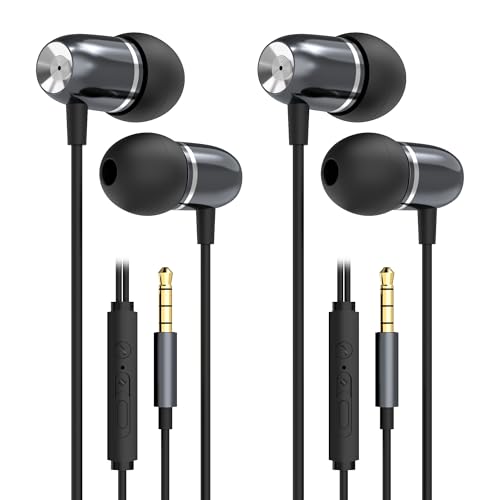
- XS, S, and M tips for small ear canals
- Two-pack with built-in microphone
- 3.5mm plug and inline controls
Best For: Students, classrooms, older devices, and backup listening
Best Compact Pick

- 3.3g earbuds and 30% smaller than GO Pop+
- Bluetooth Multipoint for two devices
- IP55 resistance and up to 20 hours total playtime
Best For: Small-ear users wanting lightweight everyday earbuds
Best Secure Sport Fit

- Three eartip sizes include a small option
- Reinforced earhooks for workout stability
- IPX7 waterproofing and up to 50 hours total playback
Best For: Small-ear users who need secure earbuds for exercise
Best Open-Ear Alternative
Soundcore V20i Open-Ear Earbuds

- Open-ear fit avoids filling the ear canal
- Four adjustable positions and earhooks
- IP55 protection and up to 36 hours of playtime
Best For: Listeners wanting comfort and environmental awareness
Most Discreet
Invisible Mini Earbuds for Small Ears
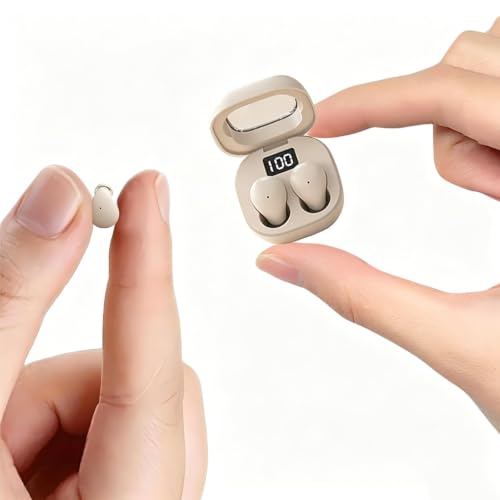
- Ultra-compact 0.08 oz low-profile design
- Bluetooth 5.3 with up to 30 hours total use
- Designed for sleep, work, and travel
Best For: Discreet listening and sleeping
Best Everyday Fit
JLab Go Air Pop+ Small Wireless Earbuds

- 15% smaller and 40% lighter than Go Air
- Three tip sizes support a snug fit
- 35+ hours total playtime with case
Best For: Workouts, calls, and everyday listening
Best for Side Sleepers
Low-Profile Mini Sleep Earbuds
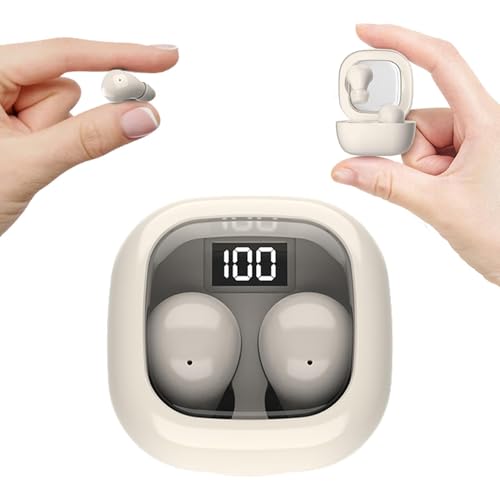
- Designed for small ears and side sleeping
- Skin-colored, discreet Bluetooth 5.3 design
- Up to 24 hours with the charging case
Best For: Nighttime listening and side sleepers
Best Lightweight Pick – TOZO A1 Mini Wireless Earbuds
For shoppers seeking headphones for small ears, the TOZO A1 stands out with 3.7g earbuds and a compact, low-profile shape. It combines everyday stereo sound, app-based EQ customization, call-focused ENC microphones, and IPX5 sweat and splash resistance.
Best For: Small-ear comfort, workouts, side sleeping, commuting, and everyday calls.
Pros:
- Lightweight 3.7g design made for small ears.
- Up to 32 hours of total battery life with the charging case.
- Bluetooth 5.3, 32 EQ presets, touch controls, and IPX5 protection.
Cons:
- Provides up to 7 hours per charge, which is less than some competitors.
- Its in-ear design may still require trying the included ear tips for the best seal.
The TOZO A1 is a practical choice when comfort and a discreet fit matter more than advanced noise cancellation. Its lightweight build, customizable sound, and call features make it a versatile small-ear option.
Best Noise-Canceling Option – Soundcore P30i Earbuds
The Soundcore P30i is a feature-rich option for headphones for small ears shoppers who also want active noise cancellation. It offers adaptive noise reduction up to 42dB, transparency mode, strong bass, AI-assisted calls, and a case that doubles as a phone stand.
Best For: Travel, commuting, entertainment, phone calls, and listeners who want adjustable noise control.
Pros:
- Adaptive active noise cancellation rated up to 42dB.
- Up to 45 hours of total playtime with the case.
- Includes transparency mode, four-microphone AI calls, and a phone-stand case.
Cons:
- Its larger feature set and 10mm drivers may not feel as compact as mini earbuds.
- Battery life drops to up to 25 hours with ANC enabled.
- Only S, M, and L ear tips are listed, without an XS option.
The P30i is best when noise control and battery life are priorities, but shoppers with especially petite ears should pay close attention to the fit. Its app support and multiple listening modes add useful flexibility for travel and work.
Best Battery Life – MOZOTER Mini S8 Wireless Earbuds
The MOZOTER Mini S8 is designed for listeners comparing headphones for small ears and wanting extended playback. Each 3.7g earbud has an ergonomic shape, three ear-tip sizes, touch controls, Bluetooth 5.3, and up to 60 hours of total playtime.
Best For: Long commutes, workouts, daily use, and users who want several fit options.
Pros:
- Lightweight 3.7g earbuds with S, M, and L ear tips.
- Up to 8 hours per charge and 60 hours with the case.
- Bluetooth 5.3, touch controls, and 10mm drivers for powerful bass.
Cons:
- The supplied notes do not specify a water-resistance rating.
- Its 10mm drivers may produce a less discreet fit than smaller-driver models.
- A one-year warranty is listed in the product details.
The S8 offers an appealing combination of lightweight earbuds and unusually long case battery life. The included tip sizes help with fit adjustments, while the bass-forward sound suits music and active everyday listening.
Best Wired Value – EP05 Small-Ear Wired Earbuds 2-Pack
For a simple, battery-free choice among headphones for small ears, the EP05 wired earbuds include XS, S, and M silicone tips. The 3.5mm connection, built-in microphone, inline button, and two-pack make them practical for school, calls, travel, and compatible devices.
Best For: Students, small ear canals, older devices, classrooms, and keeping a spare pair available.
Pros:
- Includes XS, S, and M tips for petite ears.
- Two earbuds sets provide a convenient backup pair.
- Built-in microphone, inline controls, sound isolation, and 3.5mm compatibility.
Cons:
- Wired design does not offer wireless freedom or Bluetooth pairing.
- Requires a device with a 3.5mm audio jack.
- Sound isolation is passive rather than active noise cancellation.
The EP05 is a strong practical pick for buyers who prefer reliable wired audio and an adjustable small-ear fit. Its two-pack and microphone are particularly useful for school, online learning, and everyday backup use.
Best Compact Pick – JLab JBuds Mini
For shoppers seeking headphones for small ears, the JLab JBuds Mini stand out for their compact, lightweight design. At 3.3g per earbud and 30% smaller than the GO Pop+, they offer a discreet fit along with multipoint Bluetooth, adjustable EQ, and sweat and dust resistance.
Best For: Small-ear users who want lightweight earbuds for commuting, work, and everyday listening.
Pros:
- JLab’s smallest earbuds, weighing just 3.3g each.
- Bluetooth Multipoint supports two connected devices at once.
- IP55 resistance, Be Aware Audio, and app-based EQ customization.
- Up to 20 hours of total listening with the charging case.
Cons:
- Each earbud provides 5.5 hours of playtime before charging.
- Uses passive noise isolation rather than active noise cancellation.
- No 3.5mm headphone jack.
The JBuds Mini are a strong fit-focused choice when minimizing bulk matters most. Their short single-charge runtime is offset by the case, while the app and multipoint support add useful flexibility for daily routines.
Best Secure Sport Fit – A10 Wireless Earbuds
These A10 earbuds are a practical option among headphones for small ears, combining three gel-tip sizes with reinforced earhooks for a secure fit. Their waterproof construction, long claimed battery life, and charging-case display make them especially suited to active use.
Best For: Small-ear users who prioritize a secure fit for running, gym workouts, and outdoor activity.
Pros:
- Three eartip sizes are included, including a small option.
- Reinforced earhooks are designed to stay secure during intense workouts.
- IPX7 waterproofing and sweat-resistant construction support active use.
- Up to 50 hours of total playback with the case and a battery-level display.
Cons:
- The 90-day warranty is shorter than the coverage listed for the other products here.
- Earhooks may feel less discreet than compact, hook-free earbuds.
- Environmental noise cancellation is not the same as full active noise cancellation.
The A10 emphasizes stability over minimalism. The combination of small-compatible tips and earhooks can help prevent movement during exercise, while the case display and USB-C fast charging are convenient for frequent users.
Best Open-Ear Alternative – Soundcore V20i Open-Ear Earbuds
The Soundcore V20i offers a different approach to headphones for small ears with an open-ear design that rests outside the ear canal. Four adjustable positions help you tune the fit, while the earhooks, situational awareness, and IP55 protection make these earbuds useful for active outdoor listening.
Best For: Users with small or sensitive ear canals who prefer open-ear comfort and awareness of surrounding sounds.
Pros:
- Open-ear design avoids inserting the earbuds into the ear canal.
- Four adjustable positions help customize comfort and stability.
- 16mm drivers, BassUp, four microphones, and AI-enhanced calls.
- IP55 protection, multipoint connection, and up to 36 hours of playtime.
Cons:
- Open-ear construction provides no noise control or noise isolation.
- Earhooks may be less suitable for listeners seeking a discreet in-ear profile.
- The supplied weight of 76.4g includes the product listing’s stated item specification and may not reflect per-earbud weight.
The V20i is worth considering when in-ear pressure is the main concern. Its adjustable hooks and open design prioritize comfort and awareness, though surrounding noise will remain part of the listening experience.
Most Discreet – Invisible Mini Earbuds for Small Ears
If you want headphones for small ears that stay nearly hidden, these ultra-compact wireless earbuds are designed for a low-profile fit. Their tiny, lightweight build is especially suited to sleeping, office use, travel, and everyday listening.
Best For: Small-ear users seeking discreet earbuds for sleep, work, and portability.
Pros:
- Peanut-sized design weighs just 0.08 oz for minimal ear fatigue.
- Bluetooth 5.3 supports a stable connection with low latency.
- Offers 4–5 hours per charge and up to 30 hours with the case.
- Charging case includes a real-time LED battery display.
Cons:
- Shorter single-charge playback than some standard wireless earbuds.
- The very small design may prioritize discretion over larger controls or features.
This is a strong choice when a barely noticeable fit matters most. The compact case, water-resistant design, and sleep-oriented shape make it practical for users who find conventional earbuds too bulky.
Best Everyday Fit – JLab Go Air Pop+ Small Wireless Earbuds
The JLab Go Air Pop+ is a practical pick among headphones for small ears, combining a smaller-than-before earbud design with three tip sizes for a more secure seal. It also adds customizable sound, long battery life, and fitness-friendly features.
Best For: Small-ear users who want versatile earbuds for music, workouts, calls, and daily use.
Pros:
- Earbuds are 15% smaller and 40% lighter than the Go Air model.
- Three tip sizes help users create a snug in-ear fit.
- Provides 9+ hours per earbud and 35+ hours with the charging case.
- Includes Be Aware Mode, Google Fast Pair, app EQ presets, and a microphone.
Cons:
- It is water resistant and sweatproof, but the supplied notes do not specify an IP rating.
- Its fit is less discreet than ultra-mini invisible earbuds.
Choose this model if you want a small, recognizable earbud with more everyday flexibility than a sleep-focused design. The adjustable tips and app-based EQ make it a balanced option for active listening and casual calls.
Best for Side Sleepers – Low-Profile Mini Sleep Earbuds
These low-profile earbuds target shoppers looking for headphones for small ears that can remain comfortable while lying on their side. The compact shape is designed around sleep use while still providing Bluetooth 5.3 connectivity for music and calls.
Best For: Side sleepers and small-ear users who want discreet earbuds for nighttime or extended wear.
Pros:
- Ultra-discreet, skin-colored design is intended to blend into the ear.
- Small ergonomic shape is designed to reduce pressure for side sleeping.
- Bluetooth 5.3 supports stable audio and calls.
- Provides up to 24 hours total battery life, with approximately 4 hours in the earbuds and 20 hours in the case.
Cons:
- Approximately 4 hours of earbud battery life may require recharging during long listening sessions.
- The supplied notes do not identify a companion app or advanced sound controls.
This model is most compelling when nighttime comfort and discretion take priority. Its small, pressure-conscious form is more specialized than a typical sport or commuting earbud, so it suits sleep-focused buyers best.
How We Picked the Best Headphones for Small Ears
We focused on products with compact housings, small ear-tip options, low-profile shapes, or designs specifically marketed for smaller ears and canals. We also considered comfort, stability, controls, battery life, microphone performance, water resistance, connectivity, and the type of listening each model supports.
Because ear shapes vary, no single pair will fit everyone. A good choice should remain comfortable without excessive pressure and stay secure during your typical activities. Adjustable tips, lightweight construction, and multiple fit options are especially valuable when comparing Headphones for Small Ears.
Quick Comparison
| Best For | Look For | Recommended Type |
|---|---|---|
| Smallest overall fit | Compact housing and small tips | Mini true wireless earbuds |
| Side sleeping | Low-profile body and minimal protrusion | Sleep earbuds |
| Work and travel | Noise cancellation and dependable microphones | Noise-cancelling earbuds |
| Exercise | Secure fit and water resistance | Sport-ready wireless earbuds |
| Long listening sessions | Light weight and reduced ear pressure | Open-ear or lightweight earbuds |
| Lowest cost | Simple controls and replaceable connection | Wired earbuds |
Key Buying Factors for Headphones for Small Ears
Size, Shape, and Ear Tips
Look for compact shells that do not extend far beyond the ear. Several silicone tip sizes are useful, but tip diameter and the shape of the earbud matter just as much. A smaller tip is not always better if the housing remains bulky.
Comfort and Stability
For commuting or exercise, choose a pair that locks into the outer ear without requiring a tight seal. Lightweight earbuds generally create less fatigue. If you experience soreness, pressure, or frequent readjustment, the fit is probably not suitable.
Sound and Noise Control
Noise cancellation can improve travel and office listening, while passive isolation may be sufficient for casual use. Open-ear designs are better when you need environmental awareness, but they typically provide less isolation and bass impact.
Battery, Calls, and Durability
Check the claimed earbud and case battery life, charging connector, multipoint support, and microphone features. For workouts or outdoor use, an appropriate water-resistance rating matters; it does not necessarily mean the earbuds are designed for swimming.
Who Should Buy Which Headphones for Small Ears?
Choose a mini true wireless model if your main problem is oversized earbuds and you want a discreet everyday option. Consider noise-cancelling earbuds for flights, shared workspaces, and commuting. Wired earbuds make sense for listeners who want a low-cost backup, no charging, or compatibility with a 3.5 mm device.
Side sleepers should prioritize the shortest, flattest design and avoid bulky stems or controls that press against a pillow. If situational awareness is important, open-ear earbuds may be more comfortable and practical than sealed in-ear models. For exercise, prioritize secure fit and water resistance over maximum battery claims.
Before buying, check the return policy and test the smallest included tips first. Comfort should be judged after extended wear, not just during a brief fit check.