The best memory cards for photographers balance speed, capacity, durability, and dependable performance. The right choice depends on your camera’s card format, burst-shooting needs, and whether you record high-bitrate 4K video.
We selected 10 SDXC cards spanning affordable everyday storage, fast UHS-I performance, and professional UHS-II options. Use the guide below to match card speed and capacity to your camera and shooting style.
Best 10 Memory Cards for Photographers Picks for 2026
Fast UHS-II Value
Lexar Professional 1667x 128GB 2-Pack

- Two 128GB UHS-II SDXC cards
- Up to 250MB/s read speed and V60 rating
- Backwards compatible with UHS-I devices
Best For: Photographers who want a fast two-card kit
Pro UHS-I Pick
SanDisk Extreme PRO 128GB 200MB/s

- Up to 200MB/s read and 140MB/s shot speeds
- U3/V30 support for 4K UHD video
- Designed for UHS-I cameras and workflows
Best For: Photographers seeking a fast UHS-I card
Professional V90 Performance
ProGrade Digital Iridium 128GB V90

- Up to 300MB/s read and 200MB/s write
- V90-rated with 90MB/s minimum sustained write speed
- Built for 4K, 8K, RAW, and cinematic workflows
Best For: Professionals handling high-bitrate video and RAW capture
Rugged UHS-I Speed
SanDisk Extreme PRO 128GB 250MB/s
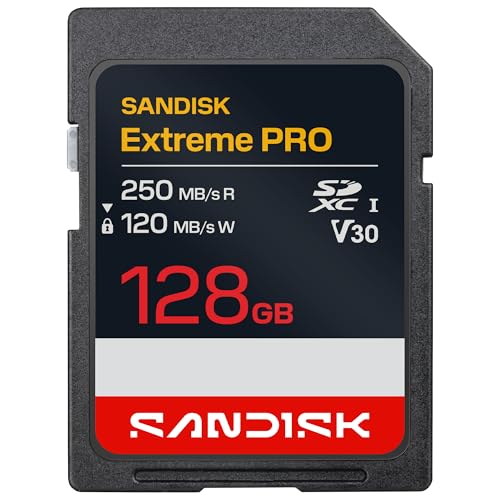
- Up to 250MB/s read speed
- U3/V30 support for 4K UHD and Full HD
- Protection against water, dust, temperature, wear, and X-rays
Best For: Outdoor photographers wanting a durable UHS-I card
Fast Transfer Pick
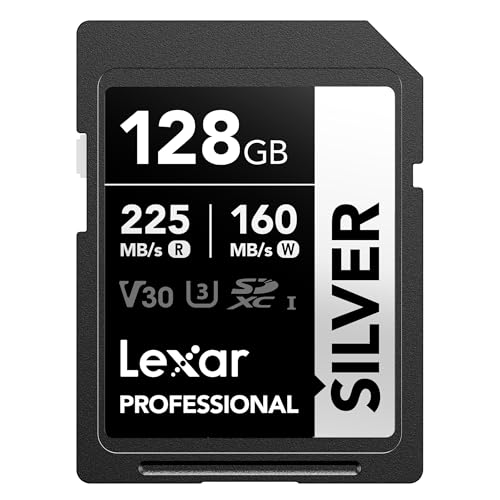
- Up to 225MB/s read and 160MB/s write speeds
- V30 support for up to 4K 60FPS recording
- Durable, broadly compatible SDXC design
Best For: Photographers and videographers needing fast transfers and durable 128GB storage
Compact Pro Choice
SanDisk Extreme PRO 64GB SD Card

- Up to 200MB/s read and 90MB/s write speeds
- U3 and V30 support for burst photos and 4K UHD
- Waterproof, shockproof, and X-ray-proof design
Best For: Burst shooters and 4K creators who prefer a compact 64GB card
High-Capacity Burst Pick

- 90 MB/s shot speed
- Up to 170 MB/s transfers
- U3/V30 support for 4K video
Best For: Burst photography and extended 4K sessions
Maximum Capacity Pick

- Generous 256GB storage
- 4K UHD and V30 support
- Includes mini case and 5-year warranty
Best For: Extended shoots and photographers who need fewer card changes
Fast UHS-II Value – Lexar Professional 1667x 128GB 2-Pack
For photographers comparing memory cards for photographers, the Lexar Professional 1667x is a practical two-card kit with UHS-II performance, a V60 rating, and up to 250MB/s read speeds. It is designed for high-resolution stills and extended Full HD, 3D, and 4K video capture.
Best For: Professional photographers and videographers who want two 128GB UHS-II cards for fast capture and file transfers.
Pros:
- Includes two 128GB SDXC cards.
- UHS-II, U3, and V60 ratings support demanding photo and video workflows.
- Read speeds reach up to 250MB/s for faster transfers.
- Backwards compatible with UHS-I devices and backed by a limited lifetime warranty.
Cons:
- Maximum UHS-II performance requires a compatible device and reader.
- The supplied information does not specify a sustained write speed.
This is a strong kit option when having a spare card matters. Its V60 rating and UHS-II interface suit demanding cameras, while the two-card bundle adds workflow flexibility.
Pro UHS-I Pick – SanDisk Extreme PRO 128GB 200MB/s
SanDisk SDSDXXD-128G-ANCIN 128gb Extreme Pro Sd Flsh 200/140mb/s Rw C10 Uhs | U3
Check Price On AmazonThe SanDisk Extreme PRO is a straightforward choice among memory cards for photographers who use UHS-I equipment. It offers up to 200MB/s read speeds, shot speeds up to 140MB/s, and U3/V30 support for high-resolution stills and 4K UHD video.
Best For: UHS-I camera users who need fast transfers and stutter-free 4K UHD recording.
Pros:
- Up to 200MB/s read speed with SanDisk QuickFlow Technology.
- Shot speeds reach up to 140MB/s.
- U3 and V30 ratings support 4K UHD video capture.
- Temperature-proof construction is listed in the product details.
Cons:
- It is a UHS-I card, rather than a higher-bandwidth UHS-II model.
- A compatible Professional PRO-READER is sold separately for maximum stated transfer speeds.
- The supplied listing states no warranty.
This card balances fast UHS-I capture with efficient media transfers. It is a sensible fit for photographers whose cameras and workflow are built around UHS-I rather than UHS-II.
Professional V90 Performance – ProGrade Digital Iridium 128GB V90
For demanding memory cards for photographers workflows, the ProGrade Digital Iridium combines UHS-II connectivity with a V90 rating, up to 300MB/s read speed, and up to 200MB/s write speed. Its minimum sustained write speed of 90MB/s is suited to professional capture, including 4K, 8K, and RAW workflows.
Best For: Professionals using compatible cameras for high-bitrate video, RAW capture, and rapid file transfers.
Pros:
- Up to 300MB/s read and 200MB/s write speeds.
- V90 certification provides a 90MB/s minimum sustained write speed.
- Designed for cinematic cameras and 4K, 8K, RAW, and RAW HD workflows.
- 100% card testing, serialized tracking, and a three-year warranty are included.
Cons:
- Maximum performance requires a UHS-II-compatible camera and reader.
- It is a single 128GB card rather than a multi-card pack.
- Refresh Pro software is available separately.
This is the most performance-focused option in the group. Its V90 rating and high write speed make it particularly compelling for sustained professional video and RAW shooting, provided the equipment supports UHS-II.
Rugged UHS-I Speed – SanDisk Extreme PRO 128GB 250MB/s
The SanDisk Extreme PRO 128GB is a versatile option among memory cards for photographers, pairing up to 250MB/s read speed with U3 and V30 ratings. It supports 4K UHD and Full HD capture and adds protection against water, dust, temperature, wear, and X-rays.
Best For: Photographers who want a durable UHS-I card for high-resolution stills, 4K UHD video, and outdoor shooting.
Pros:
- Up to 250MB/s read speed and up to 170MB/s media speed listed.
- U3 and V30 ratings support 4K UHD recording.
- Designed with water-, dust-, temperature-, wear-, and X-ray-proof features.
- Includes a limited lifetime warranty.
Cons:
- It uses UHS-I rather than UHS-II connectivity.
- The listed 170MB/s speed applies to 256GB–1TB capacities, so performance may vary for this 128GB version.
- It is sold as a single card.
This card is a well-rounded choice for photographers prioritizing resilience and fast everyday performance. Its V30 rating fits 4K capture, while the rugged feature set adds confidence for frequent travel and outdoor use.
Fast Transfer Pick – Lexar Silver 128GB SD Card
For photographers seeking memory cards for photographers that can handle both photo sessions and video, the Lexar Silver 128GB SDXC card combines high advertised transfer speeds with V30 performance and broad camera compatibility. Its 128GB capacity offers practical room for extended shoots.
Best For: Photographers and videographers who want fast transfers, 4K recording support, and a durable 128GB card.
Pros:
- Advertised read speeds up to 225MB/s can help expedite file transfers.
- Advertised write speeds up to 160MB/s help keep the card ready for shooting.
- V30 rating supports up to 4K 60FPS video recording.
- Designed to resist drops, temperature changes, X-rays, shocks, magnets, vibration, and wear.
Cons:
- The highest advertised speeds depend on compatible devices and readers.
- 128GB may be limiting for photographers storing large RAW or video libraries.
With its strong speed claims, 4K-ready V30 rating, and lifetime limited warranty, this Lexar card is a versatile choice for photographers who value quick offloads and added physical protection.
Compact Pro Choice – SanDisk Extreme PRO 64GB SD Card
SANDISK 64GB Extreme PRO SDXC UHS-I Memory Card - C10, U3, V30, 4K UHD, SD Card - SDSDXXU-064G-GN4IN
Check Price On AmazonThe SanDisk Extreme PRO 64GB is a compact option for photographers who need memory cards for photographers that support burst shooting and 4K UHD video. Its advertised write performance is suited to active capture, while QuickFlow technology can speed up compatible offloads.
Best For: Photographers who prioritize burst photography, 4K UHD capture, and quick transfers in a smaller 64GB capacity.
Pros:
- Advertised read speeds reach up to 200MB/s with compatible devices and readers.
- Advertised write speeds up to 90MB/s support sequential burst photography and 4K UHD video.
- U3 and V30 ratings are designed for sustained 4K UHD recording.
- Waterproof, temperature-proof, shockproof, and X-ray-proof construction adds protection.
Cons:
- Its 64GB capacity provides less storage than the other cards in this roundup.
- Maximum QuickFlow speeds require compatible hardware, including a suitable reader for peak offloads.
This card makes sense for photographers who prefer a trusted pro-oriented model for fast-paced shooting but do not need the capacity of a 256GB card.
High-Capacity Pick – SanDisk Extreme 256GB SD Card
Photographers comparing memory cards for photographers often need capacity as much as speed. This SanDisk Extreme 256GB SDXC card provides substantial storage for extended photo sessions, while its U3 and V30 ratings support sequential burst photography and 4K UHD video.
Best For: Photographers who shoot long sessions, capture large files, or want ample space for 4K UHD recording.
Pros:
- 256GB capacity accommodates extended shoots and large photo libraries.
- Advertised read speeds reach up to 180MB/s for faster compatible offloads.
- Advertised write speeds up to 130MB/s support burst photography and 4K UHD capture.
- U3 and V30 ratings are designed for uninterrupted 4K UHD video recording.
Cons:
- Maximum advertised speeds require compatible host devices and readers.
- The larger capacity may be unnecessary for photographers who regularly offload files.
The 256GB capacity is the main attraction here, making this SanDisk a practical fit for photographers who want fewer card changes during demanding shoots without giving up strong advertised performance.
Best Value 4K Pick – GIGASTONE 64GB Camera Pro
For photographers seeking practical memory cards for photographers, the GIGASTONE 64GB Camera Pro combines 4K UHD support with a compact, full-size SD format. Its V30 rating and stated transfer speed of up to 155 MB/s make it a capable choice for everyday camera use.
Best For: Point-and-shoot cameras, DSLRs, HD camcorders, and photographers who want a lower-capacity 4K-ready card with a mini case.
Pros:
- Supports 4K Ultra HD video and V30 recording.
- Advertised transfer speed of up to 155 MB/s.
- Waterproof, temperature-proof, shock-proof, magnetic-proof, and X-ray-proof design.
- Includes a mini case and five-year limited warranty.
Cons:
- 64GB capacity may be limiting for extended 4K recording or large photo sessions.
- Listed read and media speeds are lower than the headline transfer speed.
This is a sensible starter or backup card for photographers who value durability features and 4K compatibility without needing maximum storage capacity.
High-Capacity Burst Pick – SanDisk Extreme PRO 128GB
The SanDisk Extreme PRO 128GB is designed for photographers who need more room for sequential burst photography and 4K UHD video. It offers a stated 90 MB/s shot speed, up to 170 MB/s transfer speed, and U3/V30 ratings for compatible devices.
Best For: Photographers capturing burst sequences, 4K UHD video, and full HD footage who want 128GB of capacity.
Pros:
- 128GB capacity provides room for extended photo and video sessions.
- Shot speeds up to 90 MB/s and transfer speeds up to 170 MB/s under compatible conditions.
- U3 and V30 ratings support sustained video capture options.
- Temperature-proof, waterproof, shock-proof, and X-ray-proof construction.
Cons:
- This listed version has been discontinued by the manufacturer.
- Maximum advertised speeds require compatible equipment and may vary by host device.
- Card-only package does not include a case or reader.
Although its performance and capacity suit demanding photography workflows, shoppers should confirm availability and compatibility because this is an older, discontinued version.
Maximum Capacity Pick – GIGASTONE 256GB Camera Pro
For photographers who prioritize storage space, the GIGASTONE 256GB Camera Pro offers substantial capacity for photo libraries and longer 4K UHD recording sessions. It uses the full-size SDXC format and carries a V30 rating, with advertised transfer speeds up to 170 MB/s.
Best For: DSLR and digital-camera users who need high capacity for extended shoots, 4K video, or fewer card changes.
Pros:
- Large 256GB capacity for extensive photo and video storage.
- Supports 4K UHD video with a V30 rating.
- Advertised transfer speed of up to 170 MB/s.
- Includes a mini case, five-year limited warranty, and multiple protection features.
Cons:
- Maximum stated transfer speed depends on compatible equipment.
- Listed read speed is 100 MB/s and media speed is 90 MB/s, below the headline transfer figure.
The 256GB capacity makes this the most convenient option of the three for photographers who want generous space, while its SDXC and V30 specifications target compatible cameras and 4K workflows.
How We Picked These Memory Cards for Photographers
We focused on SDXC cards with useful capacity options, published speed ratings, and features suited to photography and video. The selection includes UHS-I and UHS-II models, with V30 and V60 video speed classes for different recording demands. We also considered read speed for transferring images, write speed for continuous bursts, and practical capacities from 64GB to 256GB.
Advertised peak speeds can require a compatible camera, reader, and host device, so treat them as best-case figures rather than guaranteed performance in every setup.
Quick Comparison
| Best For | Recommended Type | Typical Capacity |
|---|---|---|
| Everyday photography | UHS-I, V30 | 64GB–128GB |
| Large RAW libraries | UHS-I, V30 | 128GB–256GB |
| Fast burst shooting | UHS-II, V60 or V90 | 128GB |
| 4K video | V30 minimum, depending on bitrate | 128GB–256GB |
Key Buying Factors for Memory Cards for Photographers
Check Camera Compatibility First
Confirm whether your camera accepts SDHC or SDXC cards and whether it supports UHS-I or UHS-II. A UHS-II card can work in many UHS-I slots, but it will generally operate at the slower interface speed. Also check the camera manual for maximum supported capacities and video speed requirements.
Match Speed to Your Shooting Style
For casual JPEGs and moderate RAW shooting, a reputable V30 UHS-I card is usually sufficient. Photographers capturing long bursts, high-resolution RAW files, or demanding video should consider UHS-II cards with V60 or V90 ratings. Write speed matters most while the camera is recording; read speed mainly affects transfers afterward.
Choose Capacity Strategically
A 64GB card can suit short outings, while 128GB is a versatile option for many photographers. Choose 256GB when shooting large RAW files, extended video, or multi-day trips—but carry multiple cards rather than relying on one card for an entire assignment.
Prioritize Reliability and Workflow
Buy from an authorized retailer, format cards in the camera, and maintain current backups. A fast card cannot replace a backup strategy. For important work, rotate several cards and copy files to another device as soon as practical.
Who Should Buy Which Memory Cards for Photographers?
Choose a V30 UHS-I card for travel, family, landscape, and general mirrorless or DSLR photography. Choose a 128GB or 256GB card if you shoot RAW frequently or record extended 4K clips. Choose a UHS-II V60 or V90 card for professional burst shooting, high-resolution cameras, and workflows where clearing the buffer quickly matters. If your camera only supports UHS-I, spend on a trusted brand and suitable capacity instead of paying for unused UHS-II performance.