A fast wireless adapter can make a major difference for desktop PCs, especially when built-in WiFi is outdated, unreliable, or missing altogether. The best models combine modern WiFi standards with strong antennas, USB 3.0 or PCIe connectivity, and enough throughput for gigabit-class internet plans.
We’ve selected 10 WiFi adapters with gigabit speeds, covering compact USB dongles, long-range antenna designs, WiFi 6E and WiFi 7 upgrades, PCIe cards, and adapters with a dedicated Gigabit Ethernet port. Use the guide below to match the right option to your PC, router, and network priorities.
Best 10 Wifi Adapters with Gigabit Speeds Picks for 2026
Best Long-Range 6E Adapter

- Tri-band Wi-Fi 6E with up to 3,000 Mbps combined throughput
- Two detachable 5dBi high-gain antennas
- Supports Windows and Linux systems
Best For: Users wanting external antennas and Linux compatibility
Best High-Throughput Windows Adapter
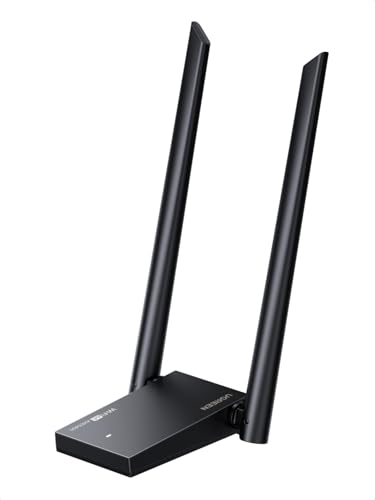
- Tri-band rated up to 5,400 Mbps
- Dual 5dBi high-gain antennas
- Designed for Windows 10 and 11
Best For: Windows users prioritizing maximum rated throughput
Best PCIe Upgrade
GIGABYTE GC-WBAX210 Wi-Fi 6E Card
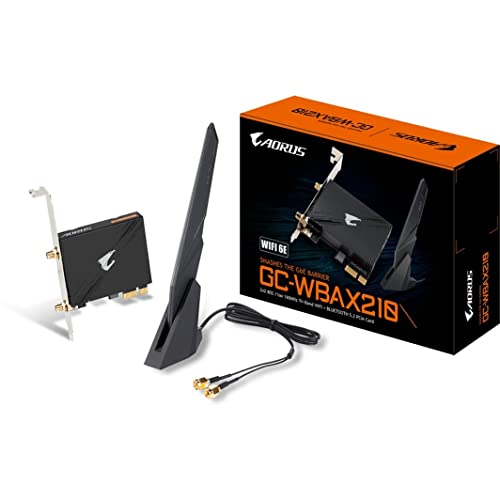
- Internal desktop Wi-Fi 6E expansion card
- Up to 2,400 Mbps wireless connection
- Includes Bluetooth 5.2
Best For: Desktop users wanting an internal Wi-Fi and Bluetooth upgrade
Best Plug-and-Play Choice
NETGEAR Nighthawk A8000 Wi-Fi 6E

- AXE3000 tri-band speeds up to 3 Gbps
- Adjustable antenna with compact cradle
- Works with Windows 10 and 11
Best For: Windows users wanting an easy USB Wi-Fi 6E upgrade
Best Wired-Device Bridge
BrosTrend AX1500 WiFi 6 Ethernet Adapter

- Gigabit Ethernet output up to 1Gbps
- Supports TVs, consoles, printers, and more
- WPS setup with no driver installation
Best For: Connecting wired devices to Wi-Fi
Best Wi-Fi 7 Upgrade
WAVLINK BE6500 USB WiFi 7 Adapter

- Tri-band Wi-Fi 7 with 6GHz support
- Four adjustable 5dBi antennas
- USB 3.0 and Windows 10/11 support
Best For: High-bandwidth Windows desktop use
Best Dual-Band USB Adapter
TP-Link Archer TX30U Plus WiFi 6 Adapter

- Up to 1,201Mbps on 5GHz
- Two high-gain antennas with beamforming
- USB 3.0 and WPA3 security
Best For: Upgrading compatible Windows PCs
Top WiFi 7 Pick
BrosTrend BE6500 USB WiFi 7 Adapter

- Tri-band speeds rated up to 6.5 Gbps
- Dual antennas with beamforming
- Windows 10/11 only; 6 GHz needs Windows 11
Best For: High-performance Windows 11 gaming, streaming, and multitasking
Best Value WiFi 6
BrosTrend AX1800 USB WiFi 6 Adapter

- Dual-band speeds up to 1,800 Mbps
- Two 5 dBi antennas and beamforming
- Includes 3.3-foot USB 3.0 extension cable
Best For: Windows PCs handling streaming, gaming, and video calls
Best WiFi 6E Range Option
Foktech AX5400 USB WiFi 6E Adapter

- Tri-band 6 GHz, 5 GHz, and 2.4 GHz support
- Dual 5 dBi antennas for signal coverage
- USB 3.0 and pre-loaded driver
Best For: Windows users wanting 6 GHz flexibility and external antennas
Best Long-Range 6E Adapter – ALFA Network AWUS036AXML
The ALFA Network AWUS036AXML is a strong option for shoppers comparing wifi adapters with gigabit speeds. Its Wi-Fi 6E tri-band design supports up to 3,000 Mbps across the 2.4GHz, 5GHz, and 6GHz bands, while the detachable high-gain antennas can help extend coverage.
Best For: Desktop or laptop users who want broad band support, external antennas, and compatibility with Windows or Linux.
Pros:
- Tri-band Wi-Fi 6E supports combined speeds up to 3,000 Mbps.
- Two detachable 5dBi antennas support range and signal penetration.
- USB 3.0 connection works with desktops, laptops, and smart TVs.
- Supports Windows 10 and Ubuntu 20.04 or later listed requirements.
Cons:
- Requires a compatible Wi-Fi 6E router to use the 6GHz band.
- The listed 3,000 Mbps figure is combined throughput rather than a single-band rate.
Choose this adapter when antenna flexibility and Linux support matter as much as high wireless throughput. Its larger external antennas may be less compact than a basic dongle.
Best High-Throughput Windows Adapter – UGREEN AXE5400 WiFi 6E Dongle
For Windows users seeking wifi adapters with gigabit speeds, the UGREEN AXE5400 combines tri-band Wi-Fi 6E with USB 3.0 connectivity. It is rated for up to 5,400 Mbps across three bands and includes dual high-gain antennas for more stable reception.
Best For: Windows 10 and 11 desktop users handling gaming, professional work, or multiple connected devices.
Pros:
- Tri-band ratings reach 2,400 Mbps on 6GHz, 2,400 Mbps on 5GHz, and 574 Mbps on 2.4GHz.
- Dual 5dBi high-gain antennas support coverage and reception.
- OFDMA and MU-MIMO are designed to manage traffic across multiple devices.
- Includes Windows drivers and a setup guide.
Cons:
- Only compatible with Windows 10 and 11 according to the supplied details.
- Requires a Wi-Fi 6E router to take advantage of the 6GHz band.
This is a compelling performance-focused choice if your PC runs Windows and your network supports Wi-Fi 6E. Confirm your operating system before buying, since broader platform support is not listed.
Best PCIe Upgrade – GIGABYTE GC-WBAX210 Wi-Fi 6E Card
GIGABYTE WiFi 6E GC-WBAX210 (2x2 802.11ax/ Tri-Band WiFi/Bluetooth 5.2/ PCIe Expansion Card)
Check Price On AmazonThe GIGABYTE GC-WBAX210 is a PCIe-style desktop upgrade for shoppers comparing wifi adapters with gigabit speeds. Its Intel Wi-Fi 6E AX210 module supports dual-stream connections on the 2.4GHz, 5GHz, and 6GHz bands, with wireless speeds up to 2,400 Mbps.
Best For: Desktop owners who prefer an internal expansion-card solution with Wi-Fi 6E and Bluetooth 5.2.
Pros:
- Intel AX210 module supports Wi-Fi 6E across three bands.
- Advertised wireless connection speeds reach up to 2,400 Mbps.
- Includes Bluetooth 5.2 functionality.
- Internal PCIe design avoids using an external USB port.
Cons:
- Designed for desktop computers rather than laptops.
- Installation requires an available compatible expansion slot.
- 6GHz performance requires a compatible Wi-Fi 6E router.
If you are upgrading a desktop and want an internal card instead of a USB dongle, this model offers a balanced Wi-Fi 6E and Bluetooth feature set. It is less suitable for portable systems or users seeking plug-in simplicity.
Best Plug-and-Play Choice – NETGEAR Nighthawk A8000 Wi-Fi 6E
The NETGEAR Nighthawk A8000 is a convenient pick among wifi adapters with gigabit speeds, offering AXE3000 tri-band Wi-Fi 6E through USB 3.0. It supports up to 3 Gbps, includes a flippable high-gain antenna and cradle, and is designed for Windows 10 and 11 computers.
Best For: Windows users who want a straightforward USB upgrade for streaming, gaming, video calls, and compatible Wi-Fi 6E networks.
Pros:
- Tri-band Wi-Fi 6E supports advertised speeds up to 3 Gbps.
- Flippable external antenna and included cradle help position the adapter.
- Works with Wi-Fi 6E, Wi-Fi 6, Wi-Fi 5, and older routers or mesh systems.
- Includes drivers on a USB drive and supports WPA3 security.
Cons:
- Compatibility is limited to Windows 10 and 11 in the supplied details.
- 6GHz connectivity requires a Wi-Fi 6E router.
- Actual speeds vary with connected devices and the internet plan.
The A8000 is a practical choice when easy installation and adjustable antenna positioning are priorities. Its Windows-only support makes it less flexible than adapters that list Linux compatibility.
Best Wired-Device Bridge – BrosTrend AX1500 WiFi 6 Ethernet Adapter
If you need wifi adapters with gigabit speeds for a TV, game console, printer, or other wired device, the BrosTrend AX1500 provides a practical wireless bridge. Its Gigabit Ethernet port supports up to 1Gbps, while Wi-Fi 6 connectivity reaches up to 1,201Mbps on 5GHz.
Best For: Adding fast Wi-Fi connectivity to wired home-entertainment and networking devices.
Pros:
- Gigabit LAN port supports up to 1Gbps wired-device speeds.
- Works with TVs, computers, consoles, printers, switches, and VoIP phones.
- WPS pairing and no driver installation make setup straightforward.
- Includes a 5-foot Ethernet cable and a two-year warranty.
Cons:
- It is a Wi-Fi-to-Ethernet bridge, not a direct USB adapter for a computer.
- Best performance depends on using the 5GHz band and positioning the antennas well.
This is a strong choice when the device you want to connect has Ethernet but lacks dependable wireless access. It offers gigabit wired output and broad compatibility, though placement matters for maintaining a stable connection.
Best Wi-Fi 7 Upgrade – WAVLINK BE6500 USB WiFi 7 Adapter
The WAVLINK BE6500 is a high-performance option among wifi adapters with gigabit speeds, using tri-band Wi-Fi 7 for demanding desktop workloads. It supports up to 688Mbps on 2.4GHz, 2,882Mbps on 5GHz, and 2,882Mbps on 6GHz, with a USB 3.0 connection for compatible Windows PCs.
Best For: Windows 10 and 11 desktop users who want Wi-Fi 7 performance for gaming, streaming, or large file transfers.
Pros:
- Tri-band Wi-Fi 7 supports 2.4GHz, 5GHz, and 6GHz connections.
- Wi-Fi 7 features such as MLO and Multi-RU are designed to improve latency and stability.
- Four adjustable 5dBi antennas help with signal coverage and positioning.
- Supports receive mode and PC hotspot mode.
Cons:
- Compatibility is limited to Windows 10 and Windows 11.
- Its advertised multi-gigabit wireless rates require suitable network and device conditions.
- The adapter’s larger antenna design may be less convenient than a compact dongle.
With Wi-Fi 7, USB 3.0, and four adjustable antennas, this adapter is built for users who prioritize wireless throughput and newer standards. Confirm your Windows version and router support before buying to take advantage of its full feature set.
Best Dual-Band USB Adapter – TP-Link Archer TX30U Plus WiFi 6 Adapter
The TP-Link Archer TX30U Plus is a practical USB choice for users seeking wifi adapters with gigabit speeds without moving to Wi-Fi 7. It delivers up to 1,201Mbps on 5GHz and 574Mbps on 2.4GHz, with USB 3.0, high-gain antennas, and Wi-Fi 6 features for everyday streaming, gaming, and video calls.
Best For: Windows 10 or 11 desktop and laptop users upgrading an older or unreliable Wi-Fi connection.
Pros:
- Dual-band AX1800 speeds support up to 1,201Mbps on 5GHz.
- Two high-gain antennas and beamforming improve coverage and reception.
- USB 3.0 supports faster transfers than USB 2.0.
- Includes WPA3 security, MU-MIMO, OFDMA, and a preloaded internal driver.
Cons:
- Supports Windows 10 and Windows 11 only.
- It does not offer 6GHz or tri-band Wi-Fi 7 connectivity.
- Actual speeds vary with distance, walls, interference, and network conditions.
This adapter balances strong dual-band performance with useful range and security features. It is a sensible upgrade for a compatible Windows computer, especially when you want adjustable antennas and straightforward USB installation.
Top WiFi 7 Pick – BrosTrend BE6500 USB WiFi 7 Adapter
If you need wifi adapters with gigabit speeds for a Windows desktop or laptop, the BrosTrend BE6500 is the performance-focused option here. Its tri-band design is rated up to 6.5 Gbps, including access to the 6 GHz band with Windows 11 and a compatible router.
Best For: Windows 11 users who want high-throughput wireless networking for gaming, 4K/8K streaming, and demanding multitasking.
Pros:
- Tri-band WiFi 7 performance rated up to 6.5 Gbps.
- Dual external antennas and beamforming help improve reception and connection stability.
- Pre-loaded driver supports straightforward setup without a CD or download.
- Supports WPA3 and includes a registered two-year protection option.
Cons:
- MLO is not currently supported.
- Not compatible with macOS or Linux.
- Windows 11 is required for 6 GHz access; Windows 10 is limited to 5 GHz and 2.4 GHz.
This adapter offers the highest stated wireless capacity in the group, but its benefits depend on a WiFi 7 router and compatible Windows setup. It is a strong choice when maximum wireless throughput matters more than broad operating-system compatibility.
Best Value WiFi 6 – BrosTrend AX1800 USB WiFi 6 Adapter
The BrosTrend AX1800 is a practical pick among wifi adapters with gigabit speeds for everyday desktop and laptop networking. It provides dual-band WiFi 6 throughput rated up to 1,800 Mbps and includes an extension cable to help position the adapter for better reception.
Best For: Windows users who want reliable WiFi 6 for HD streaming, online gaming, video calls, and general home networking.
Pros:
- Dual-band speeds rated at 1,201 Mbps on 5 GHz and 574 Mbps on 2.4 GHz.
- Two 5 dBi high-gain antennas and beamforming support stronger reception.
- Included 3.3-foot USB 3.0 extension cable allows flexible placement.
- Pre-loaded driver simplifies installation.
Cons:
- Compatible with Windows 11 and Windows 10 only.
- Linux is not supported.
- Does not include a 6 GHz band.
With a moderate WiFi 6 speed rating, external antennas, and a useful extension cable, this is a straightforward upgrade for PCs that need better wireless performance without moving to WiFi 6E or WiFi 7. Check your operating system before buying.
Best WiFi 6E Range Option – Foktech AX5400 USB WiFi 6E Adapter
For shoppers comparing wifi adapters with gigabit speeds, the Foktech AX5400 adds tri-band WiFi 6E connectivity and dual 5 dBi antennas. It supports 6 GHz when used with a compatible router, while Windows 10 users can use its 5 GHz and 2.4 GHz bands.
Best For: Windows 10 or 11 desktop and laptop users seeking a tri-band adapter with extended-range antenna hardware and USB 3.0 connectivity.
Pros:
- Tri-band support covers 6 GHz, 5 GHz, and 2.4 GHz.
- Dual 5 dBi antennas are designed to improve signal coverage and stability.
- USB 3.0 interface supports faster transfers than USB 2.0.
- Driver is pre-loaded, and the product notes a replacement warranty and return policy.
Cons:
- 6 GHz requires a compatible router and Windows 11 according to the supplied compatibility details.
- Windows is the supported operating-system family; macOS and Linux support is not listed.
- The detailed specifications list a 2,402 Mbps data-transfer rate despite the AX5400 product naming.
This model is appealing if you want 6 GHz flexibility and external antennas in one USB adapter. Verify your router, Windows version, and expected throughput, especially because the listed detailed data rate is lower than the AX5400 name suggests.
How We Picked the Best Wifi Adapters with Gigabit Speeds
We focused on adapters that advertise gigabit-class wireless performance or include a Gigabit Ethernet connection, while comparing their wireless generation, frequency-band support, interface, antenna design, and intended use. The selection includes WiFi 6, WiFi 6E, and WiFi 7 models so shoppers can choose between current value and newer standards.
Rated speeds are theoretical maximums. Actual results depend on the router, channel width, signal strength, interference, client compatibility, operating system, and internet service. We therefore treated specifications as a starting point rather than a guarantee of real-world throughput.
Quick Comparison
| Type | Best For | Main Advantage |
|---|---|---|
| USB WiFi 6 | Affordable desktop upgrades | Simple installation and solid speed |
| USB WiFi 6E | Compatible 6 GHz networks | Cleaner channels and lower congestion |
| USB WiFi 7 | Future-ready performance | Newer wireless features and higher potential throughput |
| PCIe WiFi 6E | Permanent desktop installations | Stable internal connection plus Bluetooth on some cards |
| WiFi-to-Ethernet adapter | Devices needing wired networking | Gigabit Ethernet output without running a cable to the router |
Key Buying Factors for Wifi Adapters with Gigabit Speeds
Wireless Standard and Bands
WiFi 6 is a strong choice for most networks. WiFi 6E adds the 6 GHz band, which can reduce congestion but requires a compatible 6E router and support in the operating system. WiFi 7 is the newest option here, but its benefits are greatest when paired with a WiFi 7 router and fast broadband plan.
USB, PCIe, or Ethernet Output
USB adapters are easiest to install and can move between computers. Models with USB 3.0 are preferable for high-speed wireless because older USB standards may limit throughput. PCIe cards are better for a permanent desktop setup and often add Bluetooth. A WiFi-to-Ethernet adapter is more suitable when the target device expects a wired network connection.
Antennas, Placement, and Range
External or high-gain antennas can improve reception when the PC is under a desk, far from the router, or separated by walls. A USB extension cable can also help position a dongle away from metal cases and other sources of interference. More antennas do not automatically guarantee better performance, so placement and router location still matter.
Compatibility and Security
Check Windows support, available USB or PCIe space, driver requirements, and whether the adapter supports WPA3. For 6 GHz operation, confirm that both the router and computer support WiFi 6E or newer. Also verify that the adapter’s advertised speed is wireless link speed rather than a guaranteed internet speed.
Who Should Buy Which Wifi Adapters with Gigabit Speeds?
- Choose a USB WiFi 6 adapter for a practical, affordable upgrade to an older desktop or laptop.
- Choose USB WiFi 6E if you already own a 6 GHz router and want access to less crowded channels.
- Choose WiFi 7 if you are building a newer network and want the best long-term wireless compatibility.
- Choose a PCIe card for a desktop that stays in one place and has an available expansion slot.
- Choose a WiFi-to-Ethernet adapter for a streaming box, game console, printer, or other device that needs a Gigabit Ethernet connection.
Finally, match the adapter to your router rather than buying solely by the largest number on the package. A well-positioned WiFi 6 adapter can outperform a newer model connected through a weak or congested signal.